
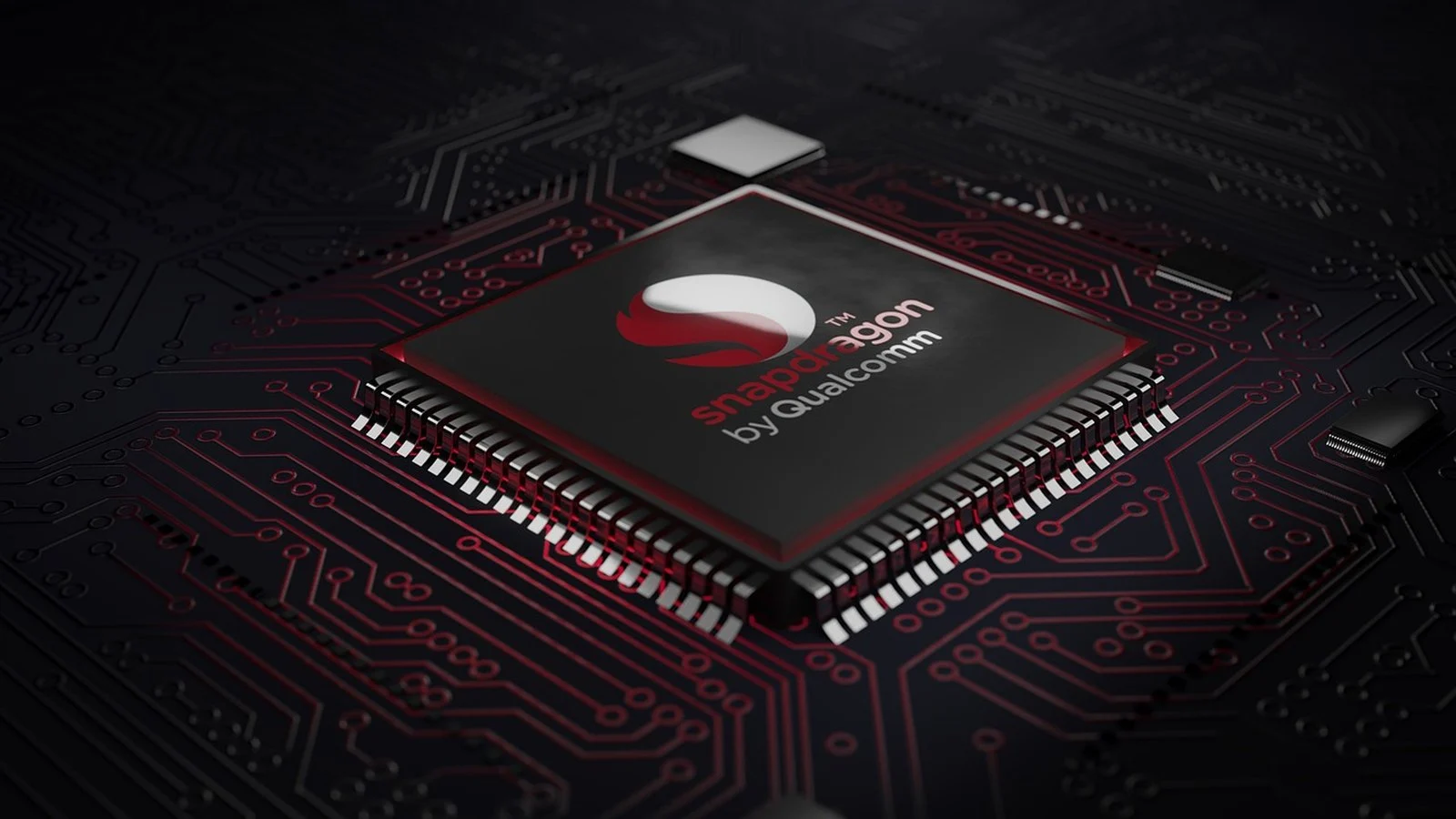
Qualcomm has launched two flagship mobile chips at once: the Snapdragon 8 Elite Gen 6 and the Snapdragon 8 Elite Extreme Gen 6. Despite the shared name they are not the same silicon wearing two badges, and which one a phone gets changes what it can do.
Both chips are built on TSMC’s 2nm process and use Qualcomm’s Oryon CPU cores alongside a next-generation Adreno GPU architecture, so the headline building blocks match. Where they part ways is AI acceleration and video codec support, both trimmed back on the standard Gen 6 relative to the Extreme version. That is the practical difference behind the two-tier launch: one chip for phones that want flagship performance, a second for phones that want the ceiling.
What separates Snapdragon 8 Elite Gen 6 from Extreme Gen 6
Qualcomm’s own benchmark data, reported by Notebookcheck, points to a sizeable graphics and browser performance uplift for the Extreme Gen 6 over last year’s Snapdragon 8 Elite Gen 5, with Geekbench 7 scores also showing a large CPU gain across the generation. Those are vendor figures rather than independent measurements, so they describe a ceiling Qualcomm is claiming, not a result any reviewer has reproduced yet.
For an outside read, AndroidAuthority has been tracking Qualcomm’s internal reference phones and ran its own benchmark suite against a device carrying the Extreme Gen 6, giving an early independent number to weigh against Qualcomm’s slides rather than repeating them.
Which phones get which chip
The split is already visible in the first wave of announcements out of Qualcomm’s Snapdragon Summit keynote:
- Xiaomi 18 Pro: the first phone on the market with the standard Snapdragon 8 Elite Gen 6, launched in China alongside larger batteries and a hardware-level privacy display.
- Xiaomi 18 Pro Max: pairs the same launch with the Extreme Gen 6 instead, plus an 8,500 mAh battery and updated telephoto cameras.
- Motorola Signature 27: the second phone in Motorola’s Signature line, built around the Extreme Gen 6 and cooled with an ArcticMesh vapor chamber system. It also introduces a new naming scheme keyed to the last two digits of the phone’s launch year.
Qualcomm used the same keynote to announce the Snapdragon Sound Elite Gen 2, a separate chip aimed at AI-focused audio wearables, including hearables that carry a camera.
What’s changed since our last Snapdragon coverage
teqpost looked at Qualcomm’s laptop-side silicon last week in our review of the HP Googlebook 14, which pairs a Snapdragon X Elite chip with a 3K OLED panel. The change on the phone side since then is structural, not just a spec bump: Qualcomm is no longer shipping a single flagship chip per generation. The Gen 6 and Extreme Gen 6 launched together, splitting what used to be one Snapdragon 8 Elite tier into a standard option and a pricier one that phone makers now choose between.
That split is already lopsided. Only the Xiaomi 18 Pro has shipped with the standard Gen 6 so far; both the Xiaomi 18 Pro Max and the Motorola Signature 27 went straight for the Extreme version. Worth watching whether any maker outside Xiaomi commits to the standard Gen 6, or whether the Extreme chip ends up as the default flagship choice by the time more phones are announced.