
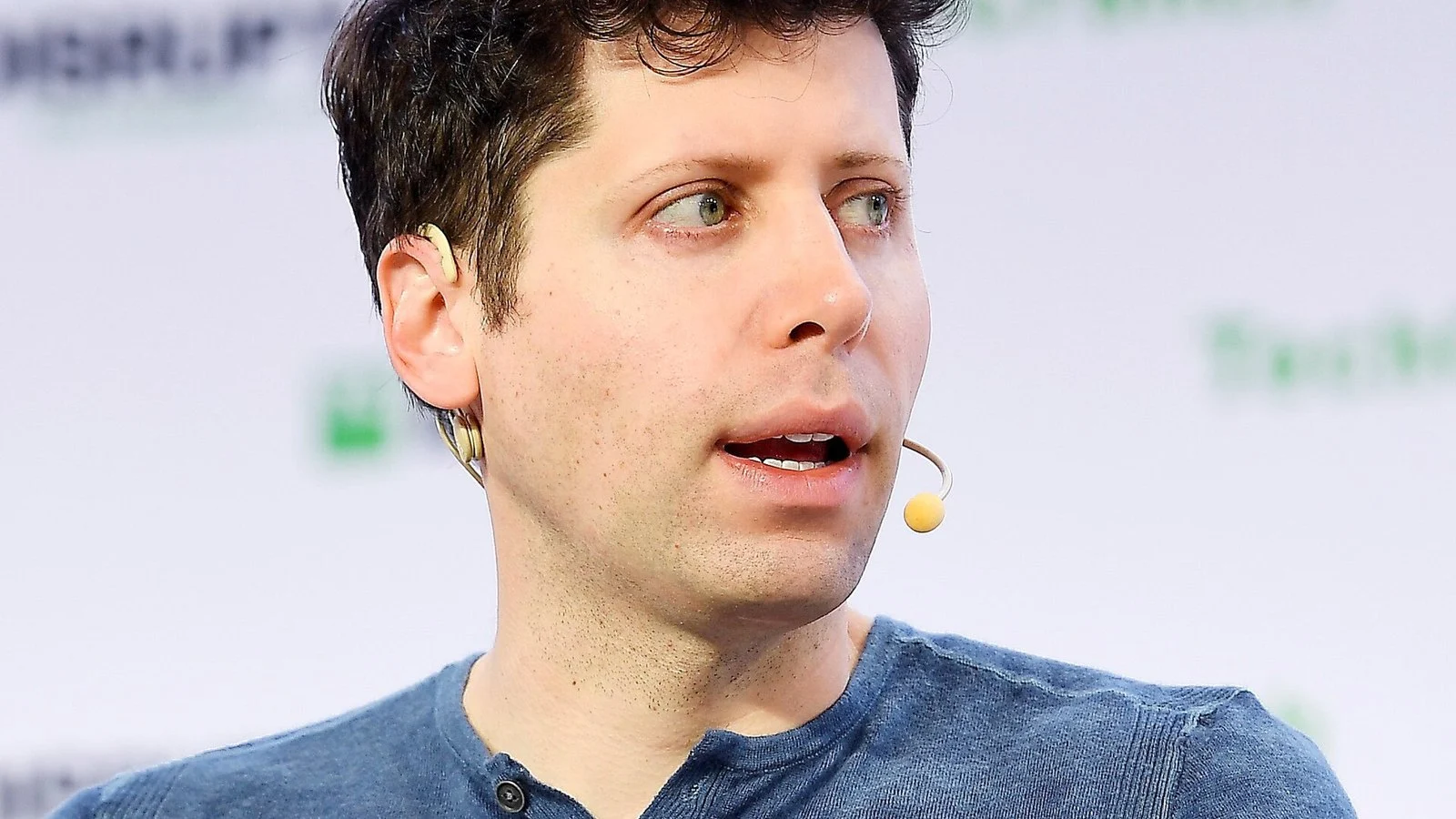
Sam Altman has ruled out an OpenAI IPO in 2026, telling Fortune that going public this year would be “ill-advised” even though the company has already filed confidentially for a listing. The OpenAI IPO delay stands despite that filing already sitting with regulators. Altman was explicit about the reason: “We’re not rushing into an IPO,” he said, pointing to the pace of the company’s safety work instead.
A confidential filing lets a company submit draft paperwork to the SEC without making its finances public, buying time to adjust numbers, structure and messaging before the S-1 goes live. OpenAI has already done that much, but a filing sitting at the confidential stage carries no obligation to price shares by any particular date. Altman’s comment confirms that no OpenAI IPO is coming this year, not that the process has stalled altogether.
The OpenAI IPO delay, explained
Altman made the comments during a 45-minute interview with Fortune, first reported by The Verge, that ranged across the recent Hugging Face hacking incident, the prospect of recursive self-improvement in AI systems, and whether a model could ever move beyond human control. On the last point, Altman said it was “absolutely” possible, but committed to intervening before it happened, including halting training runs if needed. He put it bluntly: “there are risks we should not be able to incur on behalf of humanity.”
Recursive self-improvement, an AI system rewriting or retraining itself without human involvement, is the scenario most safety researchers treat as the point past which oversight gets hard to guarantee. Altman admitting that a model could move beyond human control, and promising to halt training rather than let that happen, is a bigger statement than anything about share prices. It reads as OpenAI arguing that safety review, not investor readiness, is what is setting the pace.
OpenAI’s other unresolved pressures
The IPO delay lands on top of litigation OpenAI has not resolved. Teqpost reported on 6 September that the Seattle Times and Newsday had sued OpenAI and Microsoft over copyright, joining a growing list of publishers pursuing the company through the courts. None of those suits have been settled, and a confidential IPO filing does not make them disappear: underwriters and regulators reviewing that filing will want answers on exposure before any prospectus goes public. Delaying past 2026 buys OpenAI more time to either settle or litigate those claims before they have to be disclosed to outside shareholders.
What happens next depends on how those cases move and how much of its safety work OpenAI is willing to put on the record. A confidential filing carries no public deadline, so nothing is forcing OpenAI’s hand. Watch for whether the copyright suits reach settlement terms before the IPO question comes back up, and whether Altman is still saying “not rushing” once 2026 turns into 2027.
Image: TechCrunch via Wikimedia Commons, licensed under CC BY 2.0.