
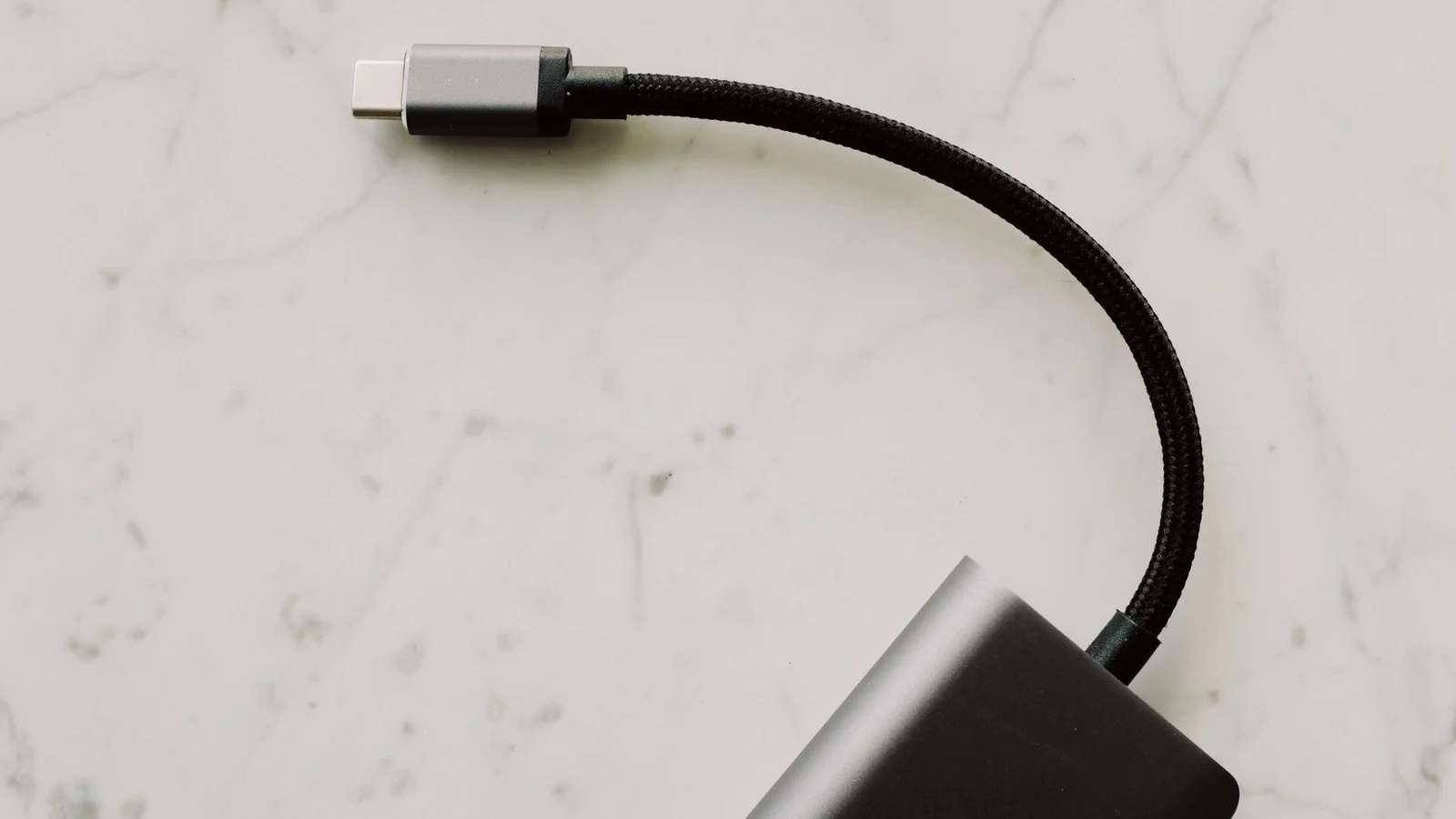
Cooler Master’s GPU Shield adapter for 12V-2×6 graphics cards has gone on sale in the US, priced at £49.99 according to Overclock3D, having first appeared running at Cooler Master’s booth at Computex 2026.
What the GPU Shield adapter does
The adapter sits inline on the 12V-2×6 cable, between the power supply and the card, and gives the connection a layer of instrumentation it doesn’t have on its own. It monitors current in real time, shows whether the cable is properly seated, and sounds an alarm if a reading moves outside a safe range. If it catches a fault, it can cut back the power reaching the card instead of leaving a bad contact to keep drawing current.
That’s a step past the simple pin-presence lights some cable makers already build into 12V-2×6 adapters. A static LED can confirm a pin is inserted; it can’t show a connection degrading under load, which is usually how these cables fail, through rising resistance at a marginal contact rather than a plug working loose.
Cooler Master says the GPU Shield adapter works with any ATX power supply, not just its own, which matters for an accessory meant to sell on its own rather than bundled with a specific PSU. The audience is anyone running a card that draws most of its power through a single 12V-2×6 connector, which by now covers most high-end RTX 40 and RTX 50 series boards. At £49.99, it’s a small outlay against the alternative of a burned connector and, in the worst case, a dead card.
A connector with a history of problems
12V-2×6 replaced 12VHPWR after the earlier connector was linked to a string of melted cables on high-power RTX cards, usually traced to current sharing unevenly across the pins when one of them made poor contact. The redesigned pins reduced how easily that happens, but the pin count and the current those pins need to carry didn’t change, only the shape meant to keep each one properly seated did. A 12-pin connector still depends on every pin carrying its share of the load, and there’s still no way to tell from outside the cable whether one of them isn’t.
teqpost has covered the same worry approached from the other direction, in modders who swapped an RTX 5090’s 16-pin connector for three separate 8-pin cables rather than trust the adapter that shipped with the card. Cooler Master’s approach doesn’t replace the connector; it watches it.
The alternative teqpost already tested
We looked at the opposite bet on 7 September 2026, when a single-slot RTX 3060 with no power connectors at all underwhelmed in tests. That card sidestepped 12V-2×6 entirely by drawing power through the PCIe slot, and the performance it gave up wasn’t worth the peace of mind it bought.
The GPU Shield adapter takes the opposite position: keep the connector, because the power headroom it provides is worth having, and manage the risk with monitoring instead of designing it away. None of that changes a card’s performance, only what an owner learns before a connector fails instead of after.