
Apple has switched on Reference Image, a verified photography mode built into the iPhone 18 Pro and Pro Max, and used its own security blog to argue the system beats the C2PA standard Google already ships on Android. The core claim: iPhone Reference Image signs a photo at the sensor, before any processing touches it, while C2PA attaches its cryptographic signature after the image pipeline has already run. Apple treats that timing gap as the whole argument for why its answer to AI-manipulated photos should be trusted over Android’s.
How iPhone Reference Image differs from C2PA
The distinction is about when the signature gets attached, not whether one exists. C2PA, the provenance standard Google uses, signs an image once the phone’s software has finished processing it, after the computational steps that turn a raw sensor capture into the photo on screen. Reference Image instead signs the raw data at the sensor itself, before any of that processing begins. Apple’s argument is that a system signing after processing has a window, however small, in which a manipulated frame could be substituted before the signature is applied. Sign at the sensor and there is no processed intermediate left to tamper with.
Google got there first
Verified photography is not new to Android. Google introduced it with the Pixel 10 series, built on C2PA, and extended the same capability to the Pixel 11 range. Apple’s Reference Image arrives an entire generation later. That leaves Apple arguing that the later implementation is the more secure one, on the strength of a single architectural choice, against a standard that has already shipped across two Pixel generations and is designed to work the same way regardless of which camera captured the photo.
What it means for iPhone 18 Pro owners
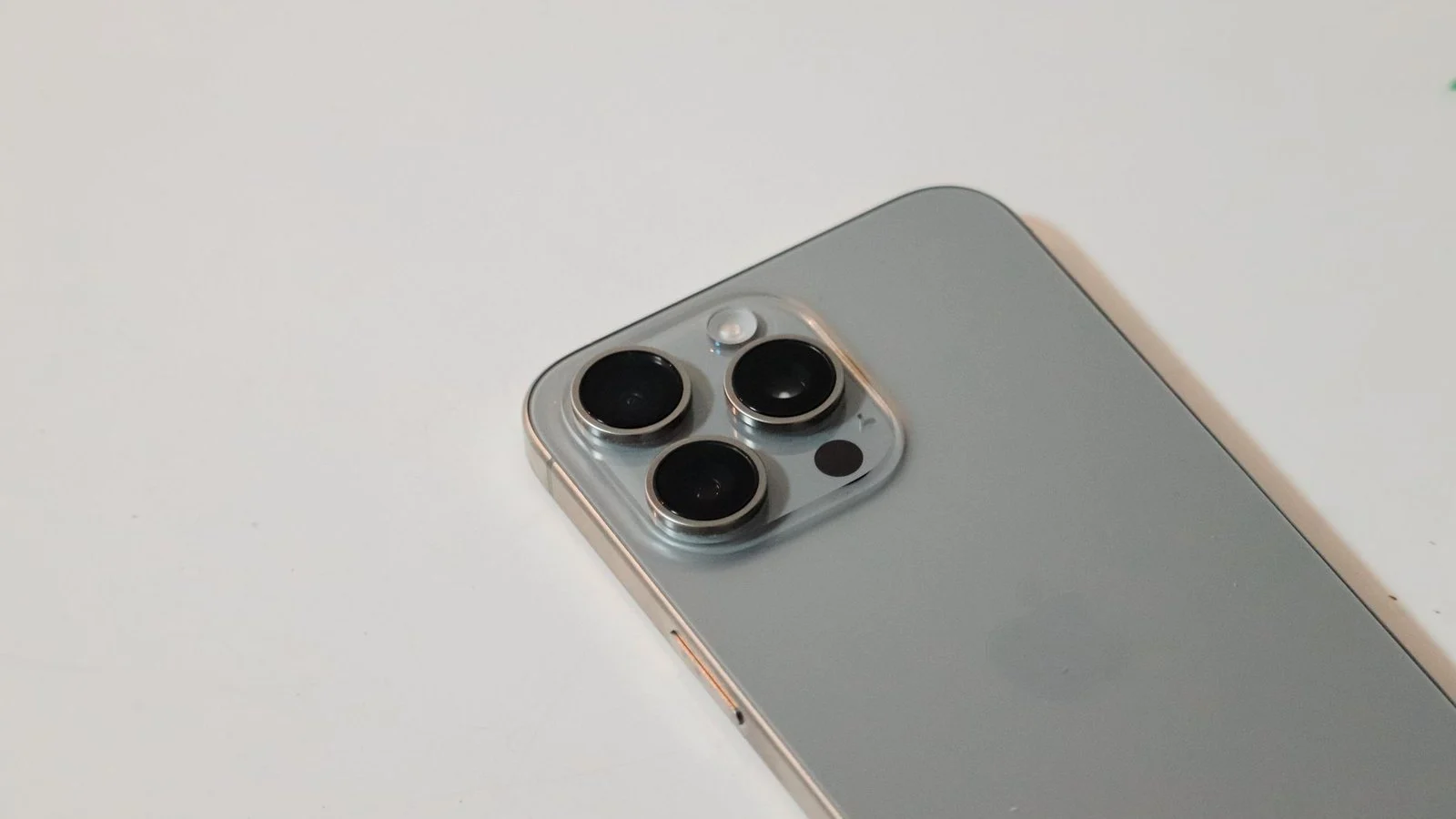
For anyone who owns the hardware, Reference Image works in the background: photos taken with the iPhone 18 Pro or Pro Max carry a signature tying the final image back to the untouched sensor capture, and that signature can be checked to confirm the photo has not been synthetically altered afterwards. The obvious audience is photojournalists, insurance claims and marketplace listings, anywhere a claim that a photo is real matters more than how convincing it looks. It does not cover photos already taken, and it is not available on the standard iPhone 18, so it needs the specific hardware, not just a software update.
What’s changed since our last iPhone 18 Pro coverage
We covered the run-up to this launch on 14 September, when iPhone Duo price speculation was colliding with reports that 18 Pro pre-orders had slipped into October (iPhone Duo price poll lands as 18 Pro pre-orders slip to October). Reference Image is the first concrete way Apple has tried to differentiate the Pro line since, a security claim rather than a spec bump. The full technical writeup sits on Apple’s own security blog, which is where the sensor-level signing claim should actually be checked, rather than taken from either company’s talking points.
What to watch next
Both claims are still vendor accounts of their own security, and neither appears to have been tested by independent researchers so far. The thing worth watching is whether that changes: whether cryptography researchers examine if sensor-level signing actually closes the substitution window Apple describes, and whether C2PA’s post-processing signature has the practical weakness Apple’s framing implies. Until independent testing turns up, this is two vendors describing their own security, not a settled comparison.