
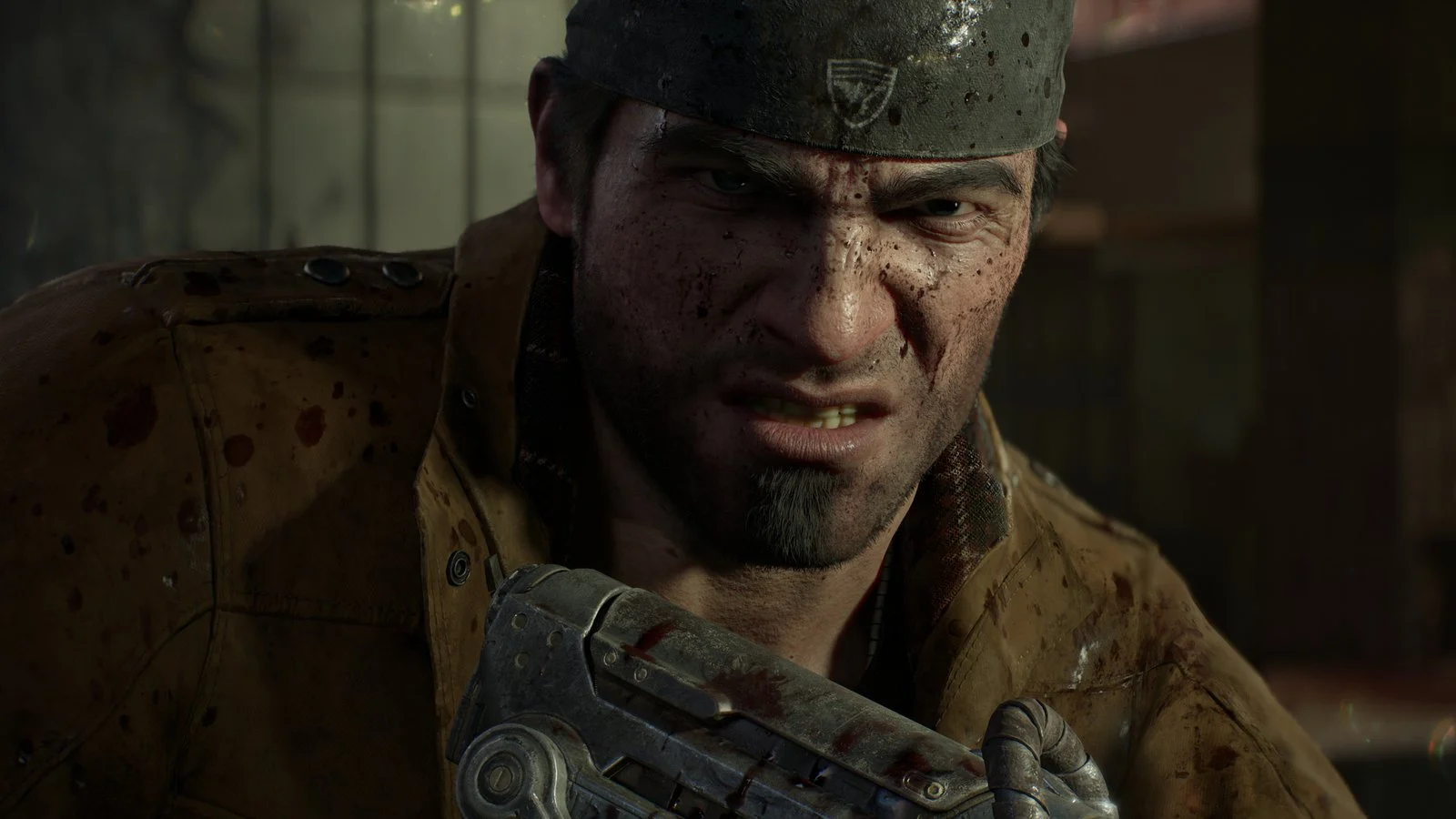
Gears of War: E-Day, The Coalition’s ground-up Unreal Engine 5 rebuild of the series’ origin story, pins CPU utilisation at 80 to 90 percent during play, a load most UE5 titles never approach. Open a monitoring overlay in Gears of War E-Day and the CPU graph sits near its ceiling for the whole session, while most of the engine’s other shipping games spend their budget on the GPU instead and leave the CPU well below that.
The game is a prequel, set fourteen years before the original Gears of War, following Marcus Fenix and Dominic Santiago through the Locust Horde’s first emergence. The Coalition rebuilt the assets and the engine from the ground up rather than porting the original trilogy, which is part of why the CPU profile looks nothing like the earlier games.
Why Gears of War E-Day stresses the CPU in UE5
The scaling between processors makes the point concrete. Tom’s Hardware tested 25 CPUs from Intel and AMD and found the Ryzen 7 9800X3D delivering 42 percent higher performance than the Ryzen 5 7600X at 1080p on the High preset, a gap most UE5 releases don’t produce because so little of the engine’s typical workload depends on core count or IPC. Tom’s Hardware also tested a low-core mode, checking whether the game can be made to behave on weaker chips rather than just running badly on them.
The likely cause is MegaLights, Unreal Engine 5’s system for lighting a scene with hundreds of dynamic, ray-traced sources in real time, and E-Day is the first shipping game built on it. Most UE5 titles bake or approximate their lighting ahead of time, which keeps the CPU free for physics, animation and AI and pushes the lighting cost onto the GPU instead. MegaLights appears to push per-light visibility and culling work onto the CPU as well, which lines up with both the utilisation figures and the clean, consistent scaling between chips: more cores and higher IPC directly translate into more lights the engine can track per frame.
DLSS 4.5 ships in a real game, not a settings menu
We covered DLSS 4.5 in August, when it arrived as a GeForce NOW control at Gamescom alongside five new games added to the service. Gears of War E-Day is where that feature stops being a toggle on someone else’s game library and ships inside a title built around it from the start: on GeForce RTX PCs, RTX laptops and GeForce NOW, it runs with DLSS 4.5, ray tracing and RTX Mega Geometry from day one, alongside a reimagined version of Horde, now called Horde Siege, and the series’ usual Versus PvP.
Premium Edition owners got Early Access today; everyone else gets the full release on 6 October.
What to watch
- How the CPU load behaves on six-core and older parts once wider independent testing lands after the 6 October release.
- Whether The Coalition patches or expands the low-core mode Tom’s Hardware found, rather than leaving it as an undocumented workaround.
Anyone upgrading on the strength of this one should size the CPU, not just the GPU: the gap between a Ryzen 5 7600X and a 9800X3D is unusually wide for a UE5 game, and that gap is the whole story here. For a sense of how undemanding the alternative looks, Rayman Legends Retold needs only a GTX 1660 for 1080p60.
Image: The Coalition via Wikimedia Commons, licensed under CC BY-SA 4.0.