
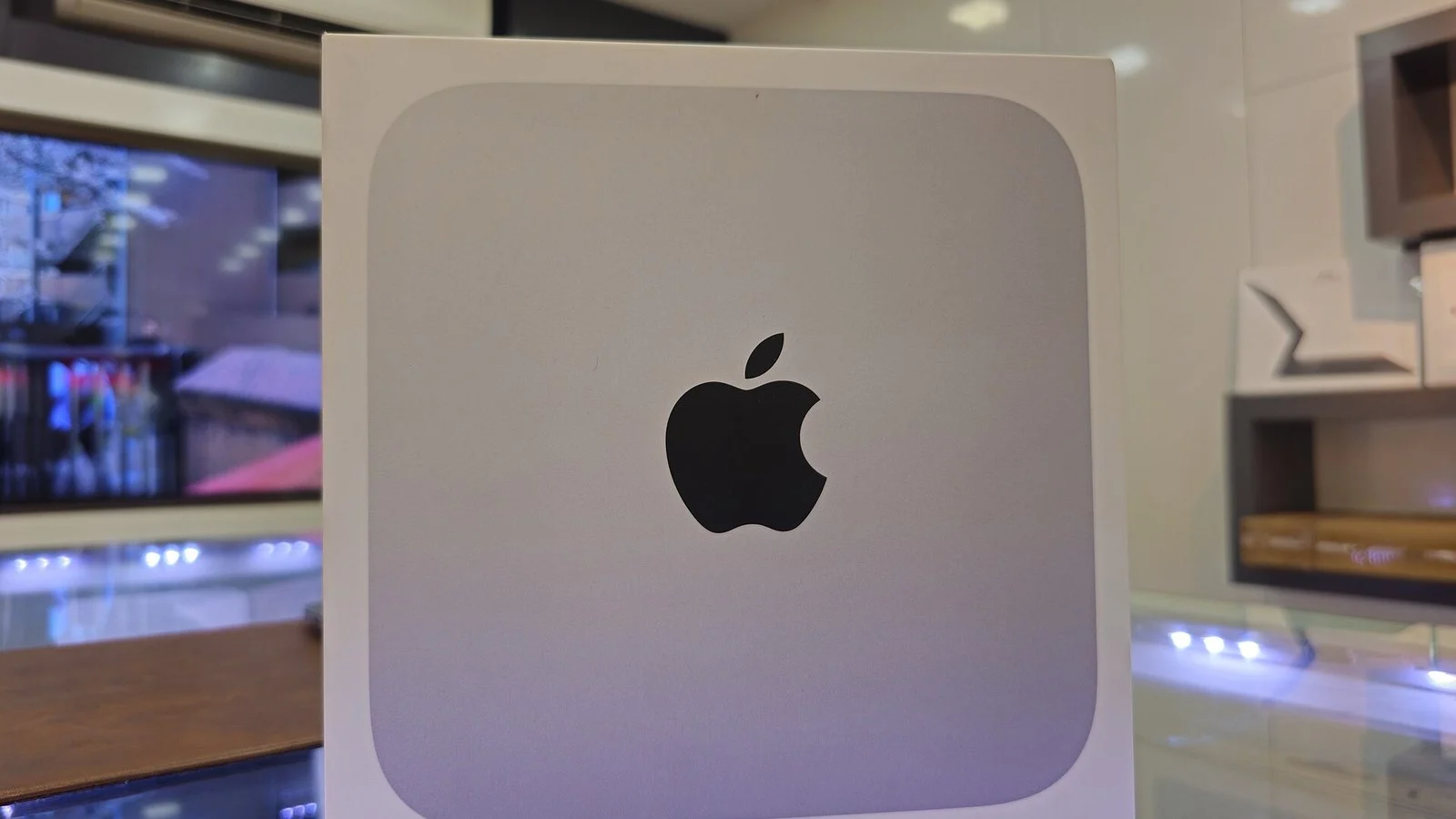
Every M6 Mac mini review published this week agrees on the fundamentals: the new chip is a meaningful step up from the M4 it replaces, the case hasn’t changed, and the starting price has jumped by $300. The base configuration, 16GB of memory and 256GB of storage, now costs $899 through Apple’s online store, up from the $599 the equivalent M4 model launched at in November 2024. That is the steepest single-generation price rise in the Mac mini’s history, and it isn’t down to any change inside the box beyond the chip itself: every outlet reviewing it points to component costs driven by AI-fuelled memory demand.
What every M6 Mac mini review agrees on
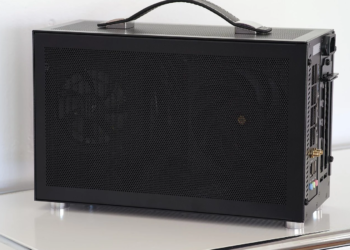
Design-wise, nothing has moved: same aluminium enclosure, same footprint, same port layout on the back. What’s inside is the M6 chip, and across the board reviewers report it delivers a real jump over the M4 generation rather than an incremental refresh, with performance gains broad enough that Tom’s Hardware called them significant improvements over the predecessor.
Wired frames the update specifically around AI, calling the M6 Mac mini a pick for the “AI curious” rather than a spec-sheet showcase. None of the reviews attach hard AI benchmark numbers to that framing, so it reads more as positioning than a measured claim, worth remembering before treating any on-device AI performance figure as verified.
That consistency matters because the Mac mini’s appeal has always been the same pitch: desktop-class performance in a case smaller than most external hard drives, cheap enough to be a second machine or a home server. The M6 doesn’t change that pitch, it sharpens it, at least on the performance side.
Why the M6 Mac mini costs $300 more
The complication is what it now costs to buy in. The entry-level M6 Mac mini, 16GB of RAM and 256GB of storage, lists at $899 on Apple’s own store, exactly $300 more than the M4 model with the same specification sold for when it launched in November 2024. Reviewers are consistent on the cause: 2026’s memory shortage, driven by AI hardware demand pulling DRAM and NAND away from consumer devices, has pushed component costs up industry-wide, and Apple has passed that straight through rather than absorbing it into margin.
9to5Mac notes the M6 Mac mini is currently discounted to $879.99 against that $899 list price, while the M5 Pro configuration runs from $1,669.99 against a $1,699 list. Those are retailer-level markdowns, not a change to Apple’s own pricing, and they don’t close the gap with what the outgoing generation cost buyers in 2024.
What to watch
One detail the reviews don’t dwell on: by our reckoning, all four were published within minutes of each other, which is the signature of a coordinated embargo lift rather than four newsrooms independently reaching the same conclusion on the same day. That’s routine for review units, but it’s worth knowing the timing came from Apple, not coincidence.
We covered the M6 Mac mini’s launch alongside the Mac Studio M5 Ultra when both went on sale in August; the specs match what reviewers are testing now, so nothing has changed between announcement and review beyond confirmation that the performance claims hold up. Apple’s broader AI ambitions are worth tracking alongside this: the company is reportedly building its own AI servers around M8 Ultra chips, which suggests the memory pressure squeezing Mac mini pricing now is not a one-generation problem.
Image: Ganesh Mohan T via Wikimedia Commons, licensed under CC BY-SA 4.0.