
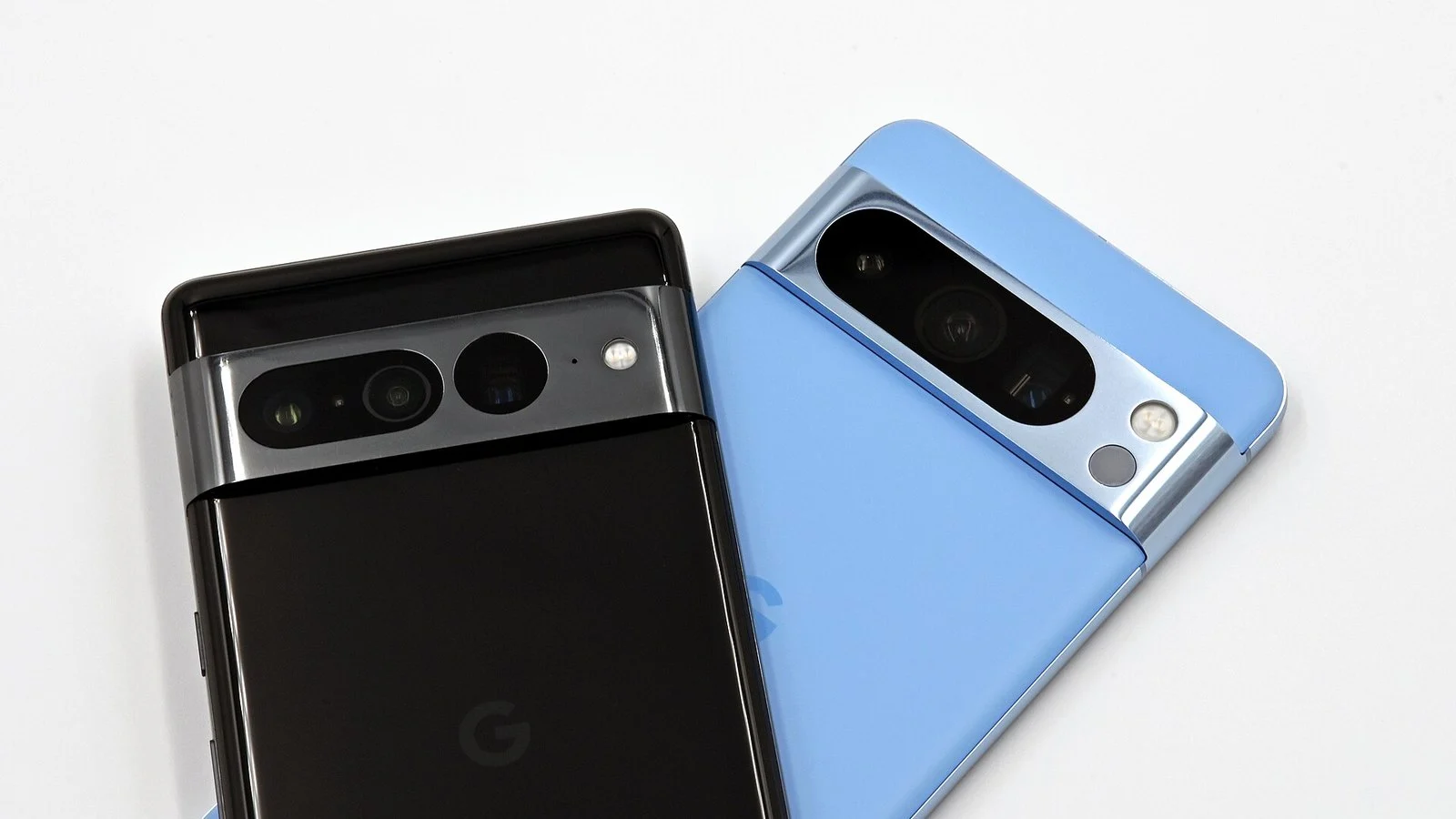
AndroidAuthority’s hands-on test of the Pixel 11 Pro XL found that Google’s PixelSnap wireless charging still tops out at 25W and takes noticeably longer to fill the battery than the Pixel Stand it replaced. The outlet clocked the Pixel 10 Pro XL on PixelSnap as over half an hour slower than the Pixel 9 Pro XL was on the old Pixel Stand, and its testing on the Pixel 11 Pro XL shows the same charger hasn’t closed that gap this generation.
PixelSnap wireless charging falls short again
Google sells the Pixel Flex 67W charger for anyone who plugs in rather than sets the phone on a pad, and by wire it comfortably beats anything PixelSnap can manage. PixelSnap borrows the magnetic alignment and case ecosystem Apple popularised with MagSafe, which suits accessories like wallets and car mounts, but the wireless ceiling has stayed at 25W since PixelSnap replaced the Pixel Stand last year. The measurements are the detail worth noting here: the newer, MagSafe-style charger adds real minutes to a full charge compared with the stand Google discontinued, despite the case-attachment convenience it was meant to bring.
Google doesn’t publish a charge-time comparison between PixelSnap and the Pixel Stand it replaced, so the gap described above comes from independent bench testing rather than a spec sheet. That distinction matters for anyone comparing a vendor’s best-case wattage figure against how long a phone actually takes to fill up on a charging pad.
Why the wired option pulls so far ahead
By our arithmetic, the Pixel Flex’s 67W wired output is 168% higher than PixelSnap’s 25W wireless ceiling, a gap wide enough on its own to account for much of the shortfall AndroidAuthority measured.
Wireless charging on any phone loses efficiency to heat and coil alignment before software throttling even starts, so a wired connection pushing that much more raw power was never going to lose a straight race. What the wattage gap does not explain is why PixelSnap trails the Pixel Stand it replaced: the Stand covered a similar wireless power class without the extra half hour, which points at coil design and magnetic alignment as the real bottleneck, not the spec sheet.
We’ve tracked the Pixel 11 Pro XL’s mixed record since launch. Its camera scored close to the iPhone 17 Pro in DxOMark testing that put it near the iPhone 17 Pro, a result that looked like ground gained on Apple. The charging picture undercuts that momentum: a flagship that competes on cameras still leaves buyers choosing between slow wireless top-ups or a separate 67W wired adapter to get full speed.
Battery anxiety is becoming a bigger selling point elsewhere
Charging speed matters more when battery capacity itself is the marketing pitch. Samsung is reportedly planning its biggest battery increase since the Galaxy S20 for the Galaxy S27, a move that would sidestep the wireless-speed complaint by making full charges less frequent to begin with. For Pixel owners, PixelSnap’s case-attachment convenience still needs a plug-in fallback if a full charge before leaving the house actually matters, and nothing in Google’s current lineup changes that trade-off.
None of this makes PixelSnap pointless. The magnetic snap suits wallets, car mounts and the case ecosystem built around it, and 25W is enough to add charge overnight without a cable. The complaint AndroidAuthority’s testing keeps surfacing is narrower: buyers who expected Pixel Stand speed with MagSafe-style convenience are still choosing one over the other, a generation after Google swapped the stand for the magnetic format.
Image: SimonWaldherr via Wikimedia Commons, licensed under CC BY-SA 4.0.