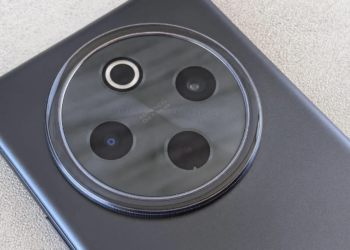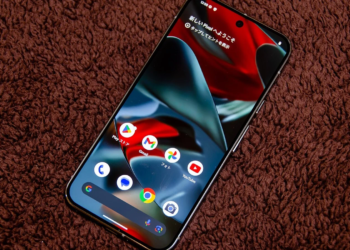

Google’s Pixel 11 Pro Fold has failed a bend test for the second year running, cracking along both antenna lines next to the hinge and losing its outer display entirely during the process. The test came from JerryRigEverything’s channel, the same one that saw the Pixel 10 Pro XL fail badly in the same spot last year. Google had marketed the Pixel 11 Pro Fold’s chassis as three times stronger than its predecessor’s.
How the Pixel 11 Pro Fold failed the bend test
The crease that opened up ran along both antenna lines flanking the hinge, the same weak point that has dogged Google’s foldable line since it launched, and the outer display separated from the chassis under the same pressure, according to AndroidAuthority’s report on the test. Battery placement was flagged as a contributing factor too: the cell sits close enough to the stress point that a crack there risks more than a cosmetic scar.
Antenna lines exist because a metal or reinforced frame blocks radio signal, so manufacturers cut thin channels into the chassis to let it through. Those channels are structurally weaker than the surrounding material by design, and on a foldable that area sits right next to the hinge, the single point on the phone that already takes the most repeated stress. Reinforcing the panel elsewhere while leaving that channel unchanged is why a chassis marketed as three times stronger can still fail in the same place.
A thinner body paid for with battery capacity
Away from the bend test, Google did address some of the complaints about last year’s model. The Pixel 11 Pro Fold is about 1mm thinner than the Pixel 10 Pro Fold, with slimmer bezels, upgraded screens and support for 25W Qi2 wireless charging. Shaving that 1mm required a trade-off, and the most visible one is battery capacity: the new Fold carries a 4,806mAh cell, smaller than the outgoing model’s. A phone with a hinge area that still cracks and a smaller battery than its predecessor is a harder sell against Samsung’s Galaxy Z Fold 8 and Z Fold 8 Ultra, which is exactly the comparison Google needs to win to make a Pixel foldable worth choosing over the alternative.
A pricier line with less memory
The hardware compromises arrive alongside a price increase across the whole series. Every Pixel 11 phone costs $100 more than its Pixel 10 equivalent, and the Pixel 11 Pro and Pixel 11 Pro XL both ship with less RAM than the phones they replace. Paying more for less memory is the detail that stood out enough to be called a genuine downgrade rather than the usual generational trade-off, not the sort of change a spec bump is supposed to produce.
We flagged the bend test failure as it broke yesterday. The fuller report fills in what actually gave way: cracks along both antenna lines and the outer display detaching, rather than a single fracture point. Our original coverage of the durability test has the full breakdown.
None of this is disqualifying on its own. Slimmer bezels and faster wireless charging are real upgrades, and a smaller battery is a defensible trade for a lighter phone if the rest of the build holds up. It is the combination that is hard to defend: pay more, get less memory, and get a hinge area that still cracks in the same test that broke last year’s phone.
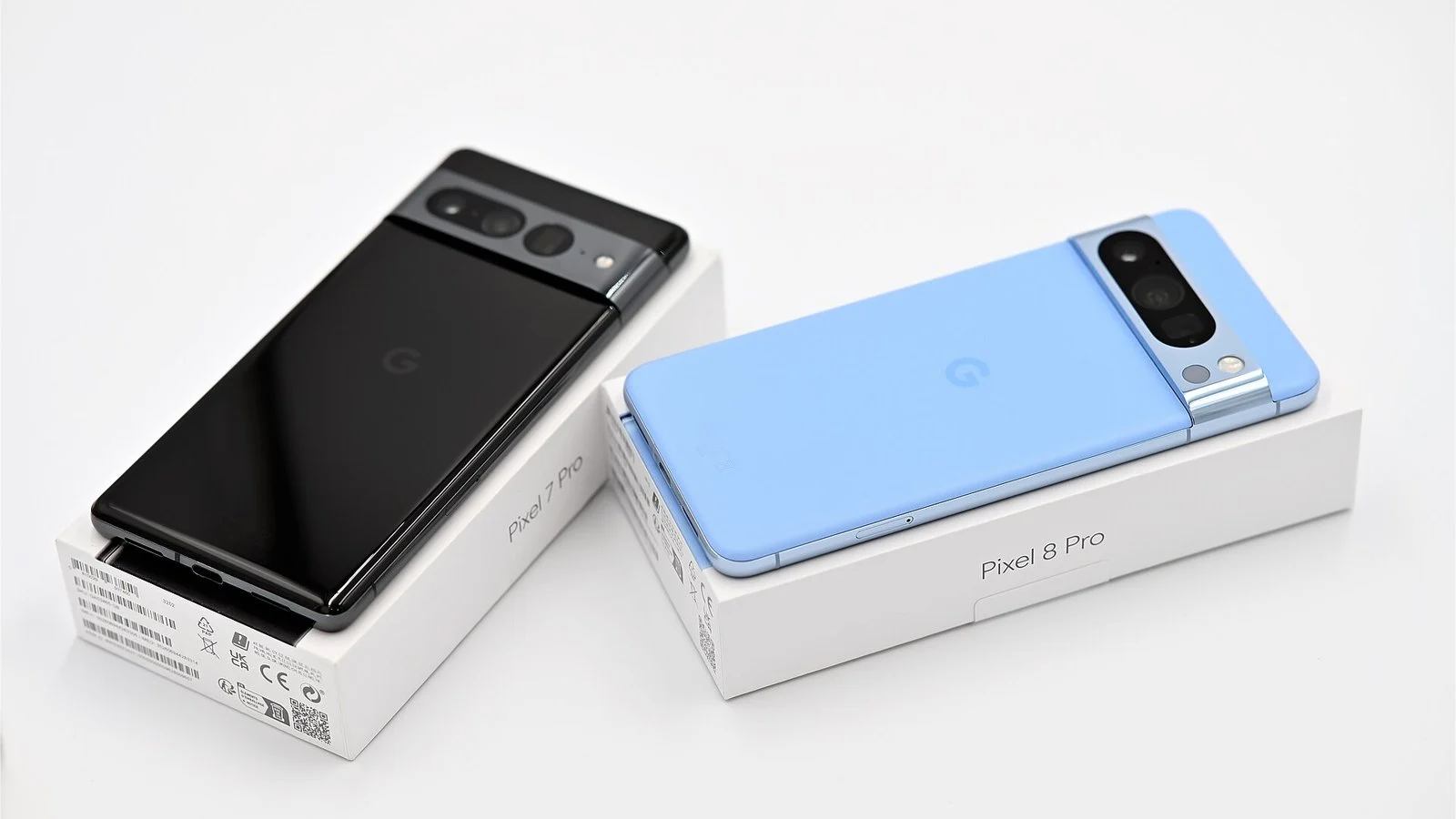
Image: SimonWaldherr via Wikimedia Commons, licensed under CC BY-SA 4.0.