
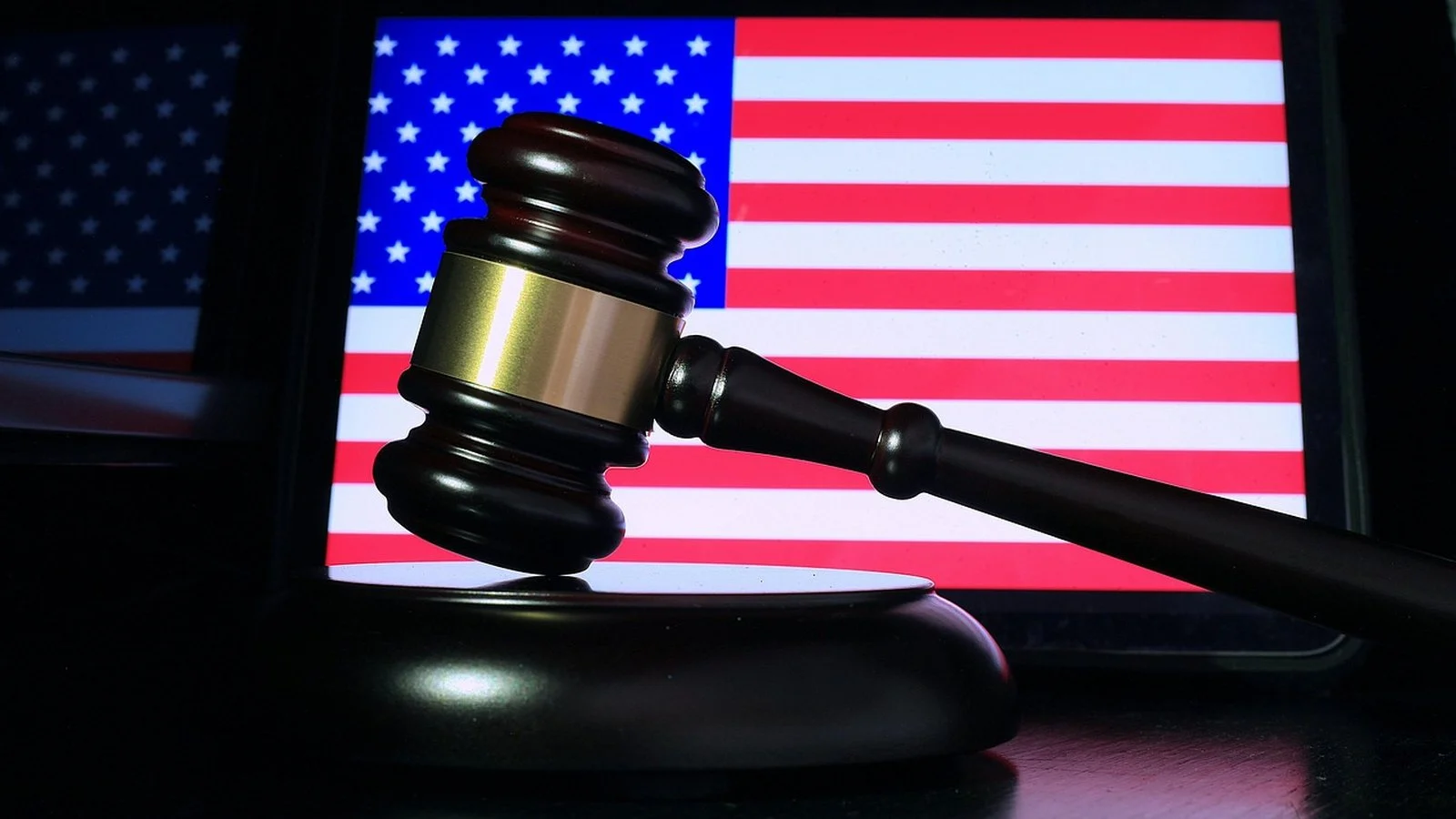
The Trump administration has filed a statement of interest in the OpenAI copyright lawsuit brought by The New York Times, arguing that training large language models on copyrighted news articles counts as fair use.
The Times sued OpenAI and Microsoft in December 2023, alleging that both companies trained their AI systems on millions of its articles without permission or payment. The paper is seeking what it has described as billions of dollars in damages from the two companies.
Where the OpenAI copyright lawsuit stands
A statement of interest does not settle a case. It lets a federal agency put its position on the record without becoming a party to the suit, and it carries no binding weight on the judge. The Trump administration used the mechanism this week to argue that fair-use doctrine, as it already exists, covers training a model on copyrighted text.
Fair use under US copyright law turns on four factors: the purpose and character of the use, the nature of the copyrighted work, how much of it was used, and the effect on the market for the original. OpenAI’s defence leans on the first and the last of those: that training a model is a transformative purpose distinct from republishing an article, and that a trained model competing for a reader’s attention is not the same market harm as reproducing the article itself. The government’s filing backs OpenAI on exactly that reading of the test.
That is a notable position for the government to take formally, rather than leave to OpenAI’s own lawyers. It puts the executive branch on record ahead of a ruling that will matter well beyond this one case, since the same fair-use question governs how every AI company can use text to train its models, not just OpenAI.
What the Justice Department’s filing argues
As The Verge reported, the filing states that “the New York Times seeks to narrow fair-use doctrine to exclude the training of OpenAI’s large language models,” framing the newspaper’s position as an attempt to carve out an exception to a legal standard that already covers transformative uses of copyrighted material.
That framing matters for how the case gets decided. If a court accepts the government’s reading, training on copyrighted journalism sits inside existing fair-use protection rather than needing a new carve-out, which is the outcome OpenAI has argued for since the suit was filed and the outcome the Times has spent nearly two years trying to prevent.
Reading the government’s own filing
The statement of interest is public record. It was entered on the docket for The New York Times Company v. Microsoft Corporation, where readers can see the government’s argument in full rather than through summaries of it.
What to watch next
The filing does not force the court’s hand, but it puts the current administration’s position on fair use into a case that could set precedent for how every AI company handles training data going forward. Whether the judge cites the government’s brief when ruling on the fair-use question will be the clearest sign yet of how much weight it carries, and that ruling is the one that will actually decide the OpenAI copyright lawsuit.