
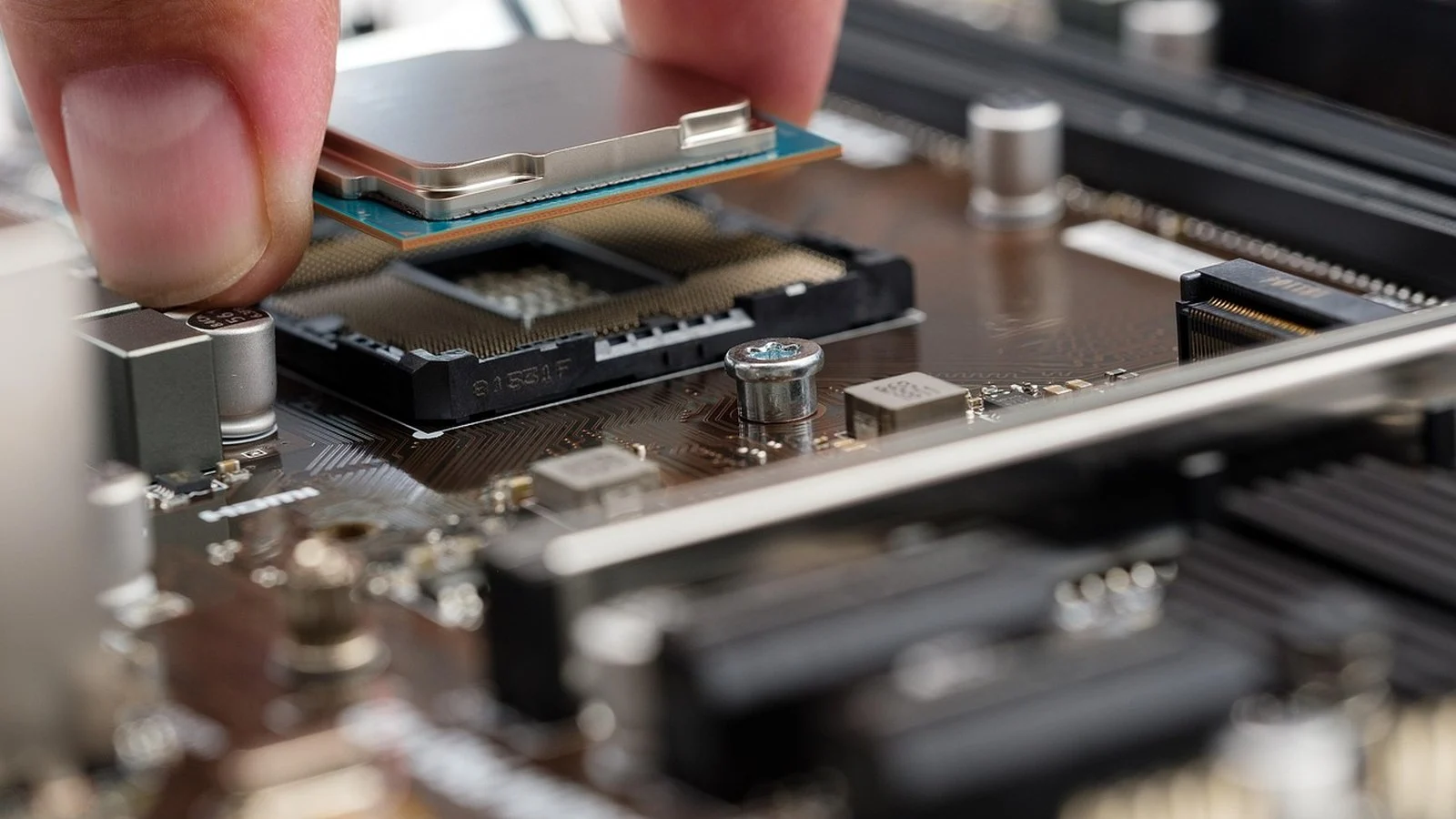
Another Intel CPU price increase is coming in October. The company plans to raise PC processor prices by roughly 10%, according to a report from Taiwanese trade outlet DIGITIMES citing industry sources, and it would be the latest in a series of hikes that started in early 2025. The report doesn’t say whether the increase covers desktop chips only or extends to mobile CPUs too. Sources cited by DIGITIMES frame the move plainly: Intel is chasing gross margin, not market share, at a moment when the PC market itself is expected to shrink.
Why this Intel CPU price increase is about margin
TechPowerUp reports that global PC shipments are projected to dip from 260 million units to around 250 million in 2027, even as prices keep rising. DIGITIMES estimates that if Intel can push its own CPU shipments back up toward 200 million units, its market share could recover to roughly 78%. That reasoning explains why margin, not volume, is driving the pricing decision: a smaller but higher-margin business is more defensible than chasing unit share in a market that’s already contracting.
Small Core cuts and another round of layoffs
The same sources say Intel is weighing whether to discontinue its Small Core line entirely. Small Core covers Intel’s low-margin embedded and industrial processors, and killing it would hand more of the industrial PC and IoT chip market to Qualcomm and MediaTek, both of which have been pushing into that space. On staffing, sources point to another 5% to 10% of the workforce being cut, on top of the trim Intel already made to its Data Center and AI group in July. Headcount currently sits around 75,000, and the same sources claim Intel intends to keep hiring in some areas even as it cuts elsewhere, arguing the company’s current size is already about right.
Losing Small Core would be a strategic retreat, not just an accounting one. Intel currently leads the industrial PC and IoT chip market, an area with steadier long-term contracts than consumer CPUs but thinner margins per unit. Handing share there to Qualcomm and MediaTek removes a defensive position against ARM-based competition just as both companies are already circling it. Whether Intel decides that trade is worth the margin gain is a separate call from October’s price rise, but sources say the two are being weighed by the same people at the same time.
What three years of these increases add up to
Intel’s pricing pattern is the part worth tracking. This is the latest in a run of hikes going back to early 2025, and by our arithmetic, a 10% increase repeated annually compounds to 33.1% over three years, because each rise applies to an already-raised base rather than the original price. That’s the mechanism worth understanding: staged 10% increases don’t add up to 30%, they compound past it. We covered the CPU side of this squeeze last month, when Dell’s 15-inch laptop launched at $699.99 with an Intel Core Series 3 chip; whether budget hardware like that can hold its price if Intel’s component costs keep climbing in stages is now an open question.
What to watch next
Intel hasn’t officially confirmed any of this, and DIGITIMES’ industry sources haven’t specified whether the October increase touches mobile CPUs alongside desktop parts. Watch for three things: official pricing confirmation as October approaches, whether Intel actually pulls the plug on Small Core, and whether the next round of job cuts lands before the end of the year.