
MediaTek has introduced the Dimensity CX C10 Max, the first processor in a new Dimensity CX line, and confirmed it will power an incoming Google Googlebook laptop. The chip launched on 21 September, the same day Googlebooks went on sale, in a lineup that already runs on Intel and Qualcomm silicon. The launch marks MediaTek’s push beyond phone-class Dimensity chips into laptop silicon, going head-to-head with the Intel and Qualcomm chips already inside Googlebooks.
Google is calling Googlebooks a brand-new category of flagship laptops, and the first wave that launched today uses Intel and Qualcomm chipsets. 9to5Google reports the MediaTek chip will debut in a Lenovo Googlebook, making MediaTek the third silicon vendor behind the platform at launch. MediaTek hasn’t said whether the C10 Max is exclusive to Googlebook hardware, though the company’s history supplying Kompanio chips to Chromebooks makes that the likely arrangement.
What the Dimensity CX C10 Max packs in
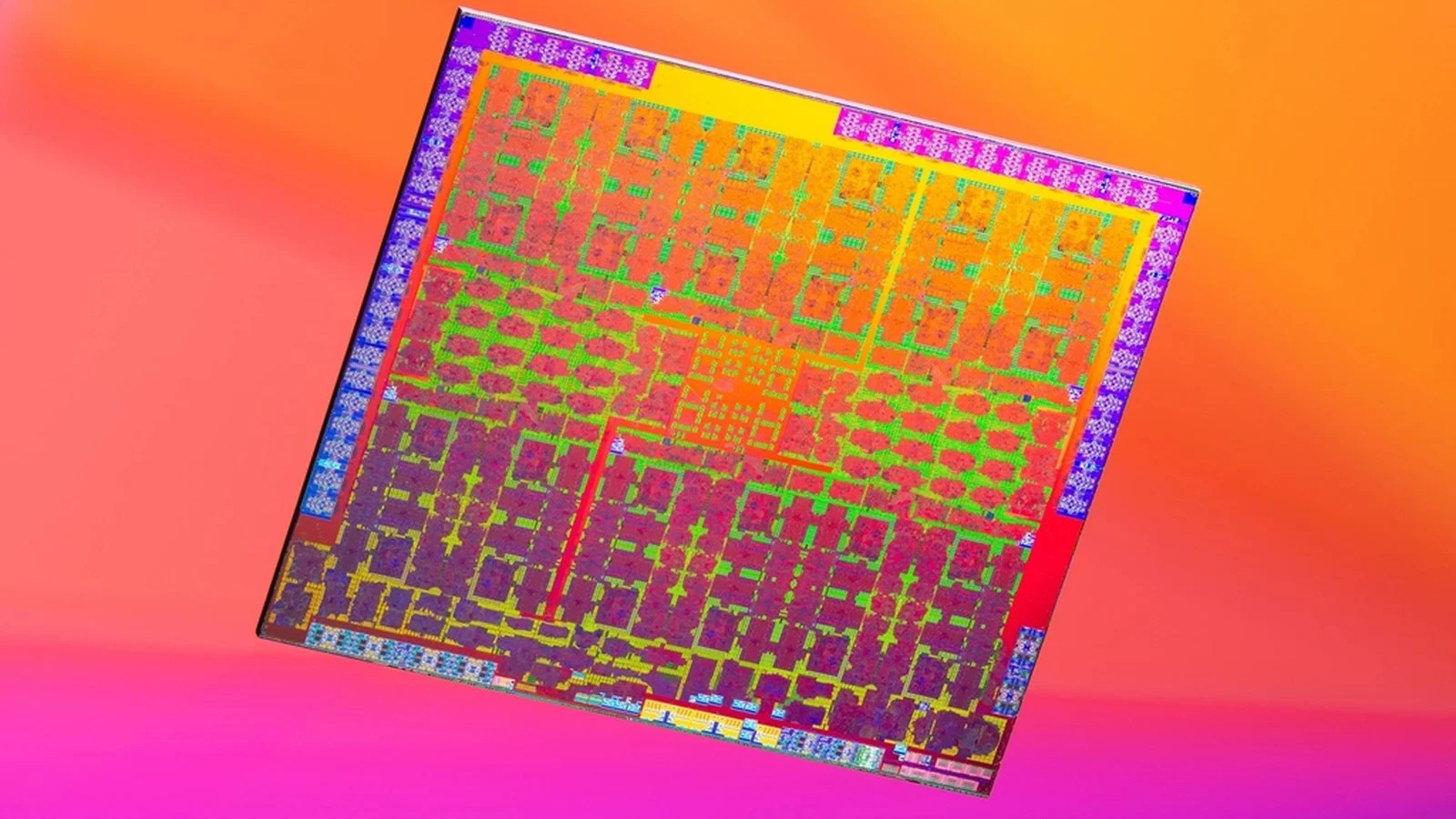
The C10 Max is built on TSMC’s 3nm N3 node and uses an all-performance-core design: eight CPU cores split across three tiers, rather than the usual mix of fast and efficiency cores. That layout is unusual for a MediaTek design; it drops the low-power Cortex-A520 cluster that the company’s phone chips carry, betting on a laptop chassis’s extra thermal headroom instead of a phone’s battery limits.
- 1x Cortex-X925, the successor to the Cortex-X4, running at a higher clock speed
- 3x Cortex-X4
- 4x Cortex-A720
In practice, that tiering means the single X925 core handles bursty, latency-sensitive tasks at the highest clock, the three X4 cores carry sustained multi-threaded work, and the four A720 cores fill in throughput without pulling as much power. It’s the same split MediaTek’s mobile chips use, for the same reason: keep the fastest core rare and expensive on power, and make the rest cheaper to run in parallel.
The GPU carries 11 cores, and MediaTek’s NPU 890 is rated by MediaTek at up to 55 TOPS of AI performance. MediaTek is positioning that NPU, not the CPU or GPU, as the chip’s main selling point, in line with how the rest of the laptop industry now markets AI PCs on NPU throughput rather than core counts.
MediaTek places the CX line between its Kompanio chips, which already ship in Chromebook Plus devices, and the RTX Spark silicon it supplies for higher-end laptops. The company calls the C10 Max the flagship of the lineup, but it hasn’t released full specifications for the chip, or named any of the other models meant to sit alongside it.
Flagship marketing, familiar hardware
Guru3D and 9to5Google both describe the C10 Max as MediaTek’s premium, flagship answer for AI-focused laptops. Tom’s Hardware takes a more sceptical line, pointing out that the core configuration looks similar to MediaTek’s existing Kompanio Ultra chip, despite MediaTek’s own language about ‘elevating’ its computing portfolio. Kompanio Ultra already powers the higher tier of Chromebook Plus devices, so for a buyer the practical difference may come down to branding and platform rather than a clean generational jump in silicon.
What to watch next
MediaTek has committed to one chip and one launch partner so far. The rest of the Dimensity CX lineup, including whatever sits below the C10 Max, remains unnamed and unspecified, and the Lenovo Googlebook’s own release date and pricing haven’t been confirmed. Both should surface as Googlebook hardware expands beyond the Intel and Qualcomm models that shipped first.