
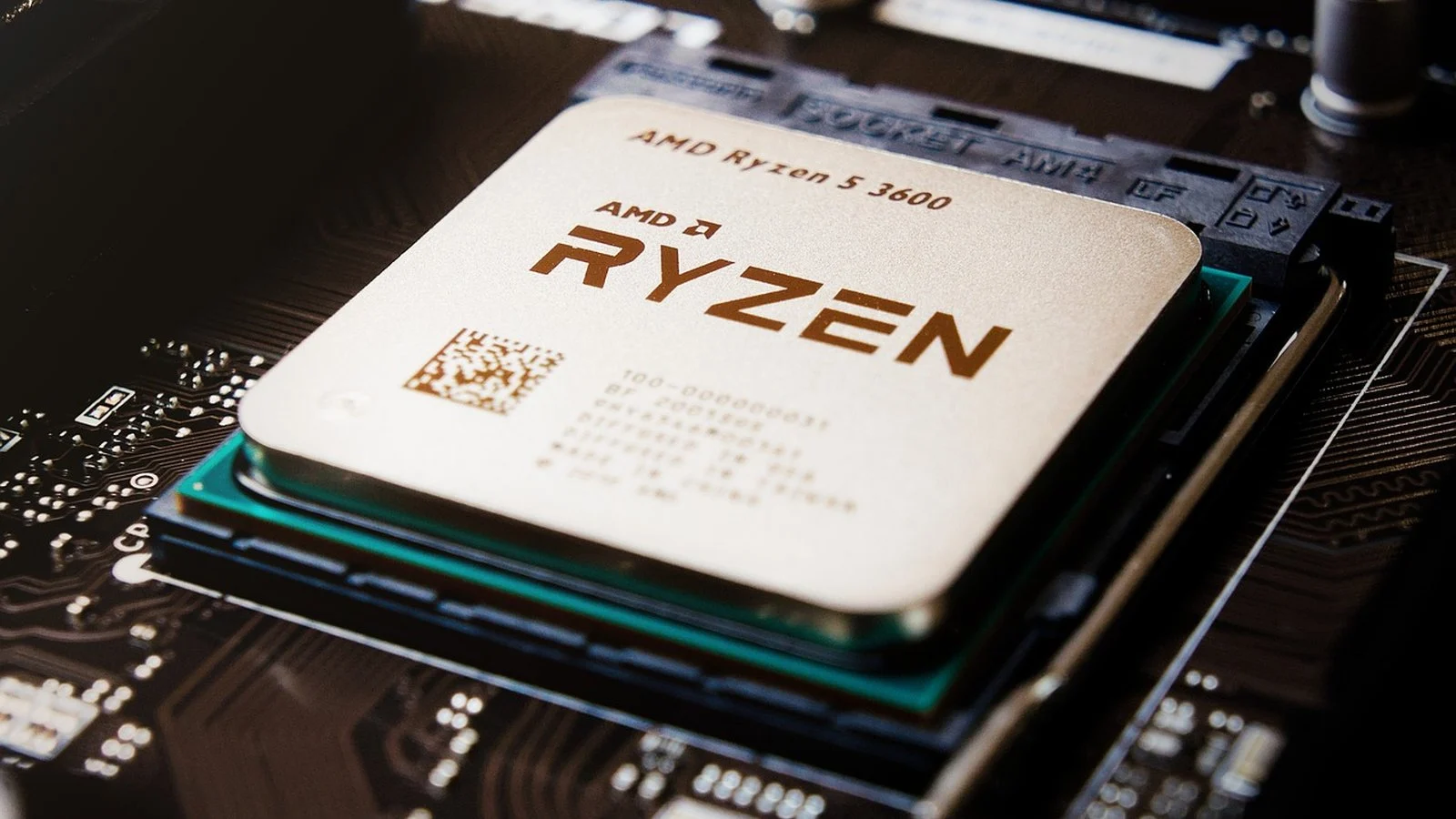
The x86 platform driver changes for Linux 7.3 are now in place, and they bring the first real Zen 6 Linux support: kernel-level groundwork for AMD’s next desktop and laptop processors, RGB LED driver controls for the Ryzen AI Halo PC, and a broad set of laptop fixes spanning several hardware vendors.
What the Zen 6 Linux support patches add
A separate patch series posted overnight to the Linux kernel mailing list adds new Energy Performance Preference (EPP) tunings specific to Zen 6 client silicon, aimed at getting the balance between performance and power draw right on the upcoming desktop and laptop parts. Alongside that, AMD updated its Host System Management Port (HSMP) kernel module to protocol version 7, which is used by the Zen 6 Family 1Ah Model 80H processors, and added new features to the PMF platform driver, including a fresh ioctl interface for pulling device metrics.
None of that is exciting to look at, but it is the plumbing that has to exist before a new processor family can boot cleanly under Linux. The same kernel version also picks up RGB LED driver controls for the Ryzen AI Halo PC, plus laptop support additions across a range of vendors and updates for handheld gaming devices, none of which are Zen 6 specific but all of which land in the same driver sweep.
Desktop core counts and the CCD change behind them
The identifier attached to those HSMP changes, Family 1Ah Model 80H, is the marker for AMD’s Zen 6 desktop chips, and the core counts that come with it point to a real structural change rather than a modest refresh. Zen 6 CCDs scale up to 12 cores each, against a hard ceiling of 8 on the current generation. For the two-CCD desktop lineup, that works out to:
- 12-core entry model
- 16-core model
- 20-core model
- 24-core flagship, dual CCD
AMD can fit more cores per CCD because Zen 6 moves to TSMC’s N2 process, a 2nm-class node with higher transistor density than what current Ryzen chips use. That lines up with AMD’s confirmed Zen 6 support for socket AM5, so the core counts read as the next data point in a rollout AMD has already started talking about, not a fresh leak out of nowhere.
Two outlets, one patch series
Phoronix published its account of the x86 platform driver changes 22.3 hours ahead of TechPowerUp, by our arithmetic, and the two pieces read almost like different stories from the same commits. Phoronix framed it around the engineering: consumption, optimising, patches, performance, the vocabulary of someone reading the kernel diffs directly. TechPowerUp framed the identical patches as a desktop chip milestone: desktop, enablement, starts. Both readings are correct. The same patch series is simultaneously a power-tuning exercise for people who will actually run Zen 6 hardware and the first public evidence that AMD’s desktop enablement work has begun, with the 12-to-24-core breakdown to show for it.
What to watch next
Watch how the EPP tunings and HSMP changes settle as Linux 7.3 moves toward release, since kernel patches posted this early sometimes get revised before merge. There’s a parallel worth tracking on the other side of the desktop CPU market too: we covered a leak pointing to a new Core Ultra naming scheme for Nova Lake earlier this month, and Intel still hasn’t confirmed it. Between the two, the clearest signal on next-generation desktop silicon right now is coming from kernel patches and leaked naming schemes, not from either company’s marketing.