
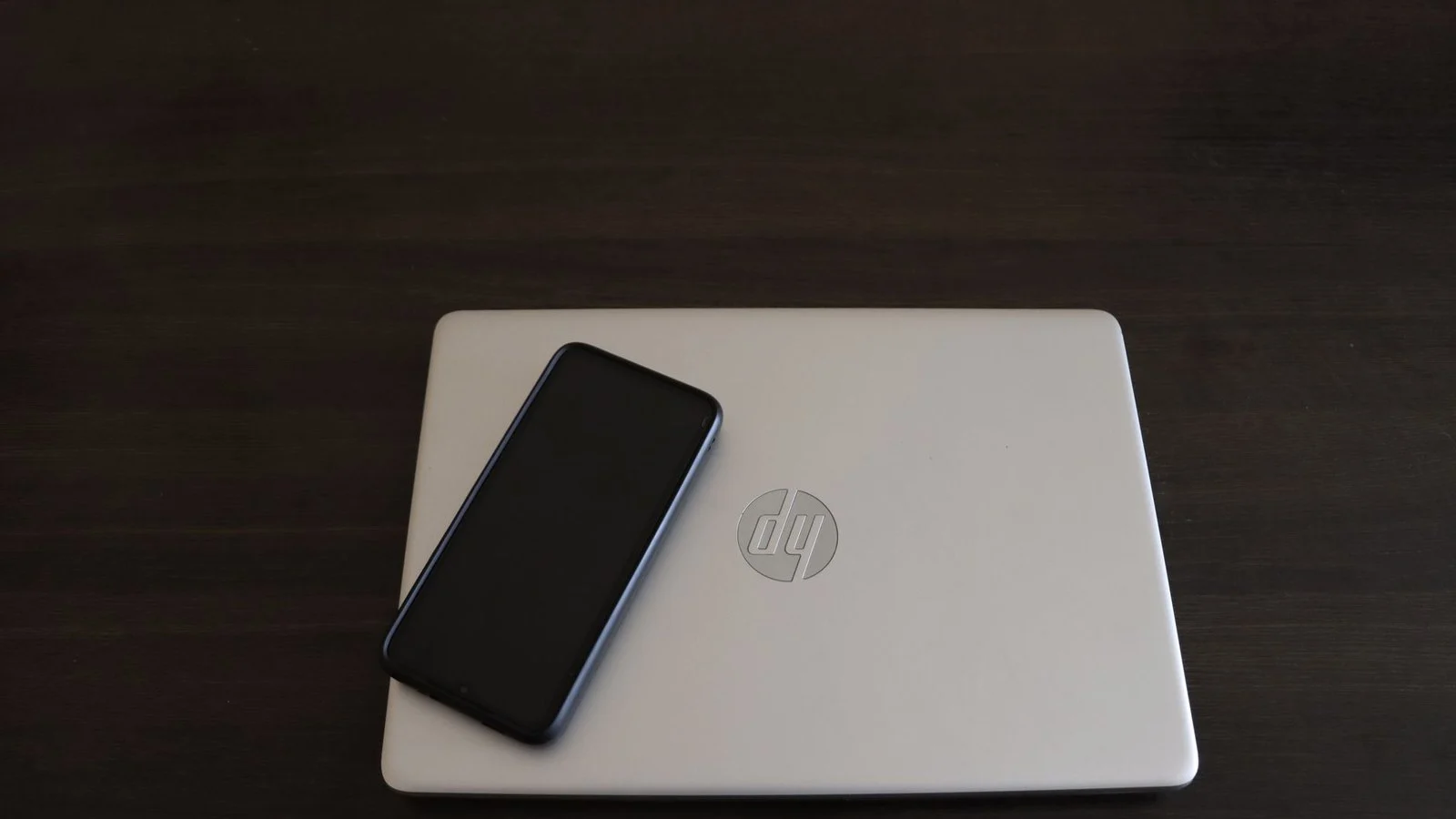
HP has released the OmniBook 3 16, a 16-inch laptop built around Intel’s new Wildcat Lake processors and offered with up to 32GB of RAM. It ships in five colours, with a choice of processor tier and display panel, making it one of the first full-size wildcat lake laptops rather than the compact ultraportables the chip has mostly shipped in so far.
Wildcat Lake is Intel’s newest entry-level platform, sitting below Panther Lake in the lineup and aimed at machines that compete on price rather than raw performance. HP’s OmniBook 3 16 fits that brief: it’s a productivity laptop, not a workstation, and the RAM ceiling is the headline spec rather than the processor tier itself.
HP’s OmniBook 3 name isn’t tied to one chip
HP is also selling an OmniBook 3 14 with Intel Panther Lake instead of Wildcat Lake, a step up in the same naming line. That model adds optional Wi-Fi 7, a 400-nit display and RAM that’s user-upgradeable rather than fixed at purchase, while still topping out at 32GB. Buyers shopping by the OmniBook 3 name alone should check which chip is actually inside: Wildcat Lake and Panther Lake are different silicon aimed at different price points, even under the same model line.
Lenovo’s Prima Series brings the same chip to 14 inches
HP isn’t alone in building on Wildcat Lake. Lenovo has launched the Prima Series, a new entry-level lineup that opens with a 14-inch model carrying the same chip and up to 32GB of DDR5 RAM. Lenovo is pitching the Prima on battery life as much as memory, rating the 14-inch model at over 17 hours. Between the two launches, Wildcat Lake now covers 14-inch and 16-inch budget laptops from two of the largest PC makers, both configured with the same 32GB ceiling.
Not every wildcat lake laptop gets 32GB of RAM
That 32GB figure is one end of the range. At the other, Phoronix benchmarked the CHUWI UniBook, a $449 laptop running the same Intel Core 3 Wildcat Lake platform with 8GB of RAM, testing CachyOS, Windows 11 and Ubuntu 26.04 LTS against each other across a range of workloads. It’s a useful reminder that Wildcat Lake’s spec sheet is elastic: HP and Lenovo are building it into laptops configured for RAM headroom, while CHUWI is building it into a laptop configured for a low price, and the two aren’t really the same product wearing different badges.
We saw a related move on the RAM side of the market earlier this week, when Framework cut pricing on the Laptop 13 Pro again following a RAM deal, a sign that memory costs are loosening enough for laptop makers to either drop prices or raise the RAM ceiling on machines that were previously capped lower.
Wildcat Lake’s Linux support is still catching up
Software support for the platform is also still being patched into shape. Intel’s Thermald 2.5.13, released Thursday, restored Wildcat Lake support to the thermal-monitoring daemon after it was accidentally dropped in the previous release, and a separate Intel NPU driver update only added official Ubuntu 26.04 LTS support on Friday. Neither is unusual for a platform this new, but it means buyers running Linux on a Wildcat Lake machine should expect rougher edges than Windows users see at launch.
What to watch: whether HP and Lenovo extend Wildcat Lake configurations further down in RAM and price to compete with CHUWI’s end of the market, and whether Intel’s Linux stack for the platform stabilises before more of these laptops reach reviewers.