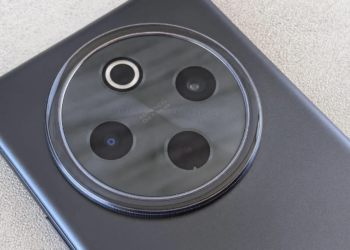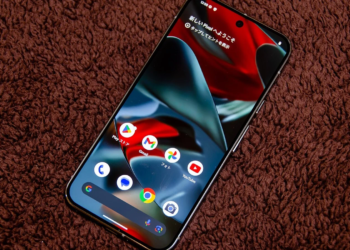

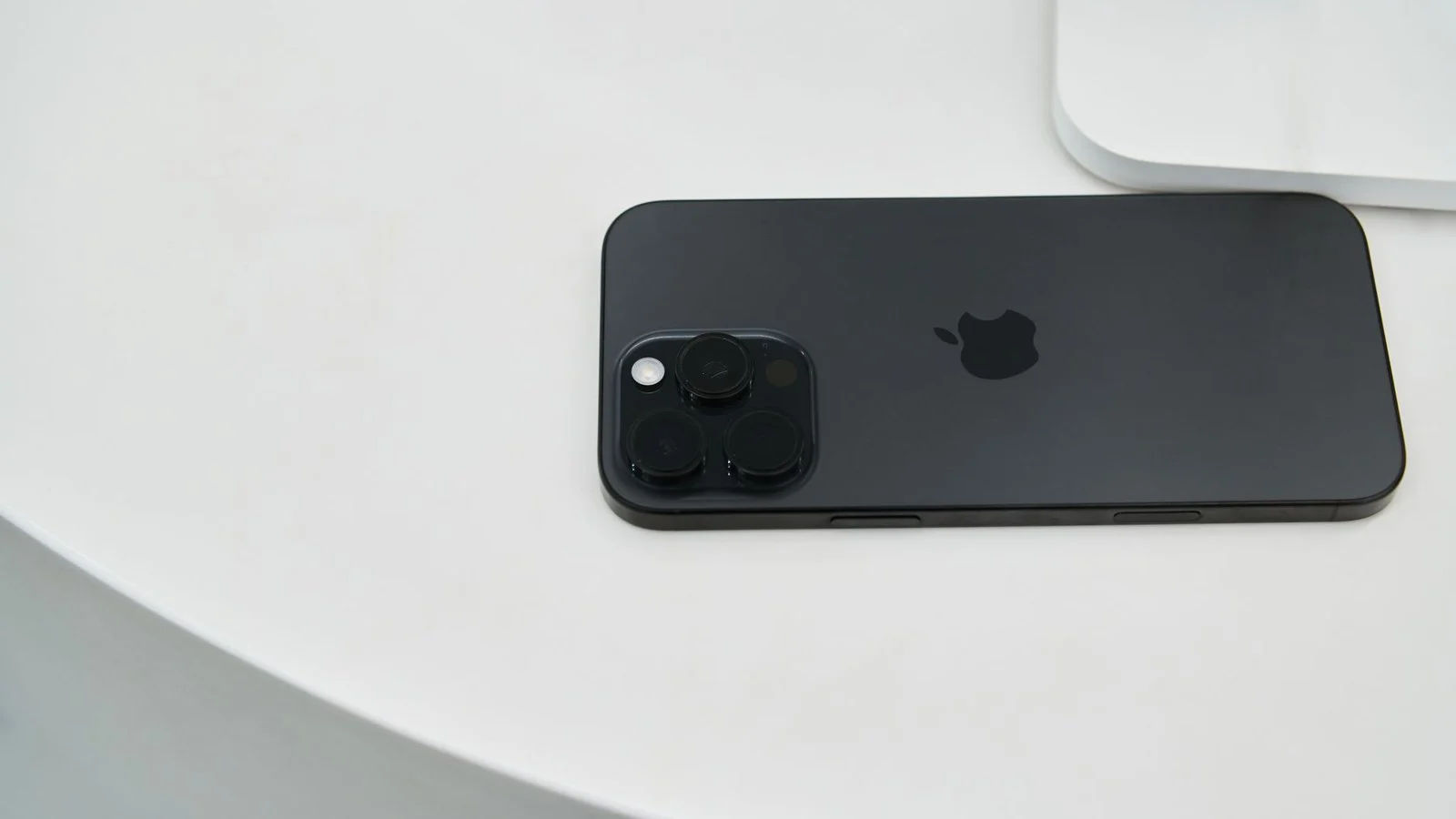
Apple raised prices across almost its entire iPhone lineup by $100 on September 9, alongside the launch of the iPhone 18 Pro, now Apple’s default flagship, and the iphone price increase hit several models that received no hardware changes at all.
The iPhone 18 Pro now starts at $1,199 and the iPhone 18 Pro Max at $1,299, both $100 more than the outgoing iPhone 17 Pro pair, which Apple has discontinued. The increase didn’t stop with the new flagships: the iPhone 17 climbed to $899, the iPhone 17e to $699, the iPhone Air to $1,099, and the base iPhone 16 to $799. Every one of those is $100 above its original launch price, and none of them shipped with so much as a new colour to justify it.
The iPhone price increase, model by model
The four carryover models keep the same chips, cameras and batteries they launched with; only the sticker price moved.
- iPhone 18 Pro / iPhone 18 Pro Max: $1,199 / $1,299, up from the discontinued iPhone 17 Pro pair
- iPhone 17: $899, up from $799
- iPhone 17e: $699, up from $599
- iPhone Air: $1,099, up from $999
- iPhone 16 (128GB): $799, up from $699
A DRAM shortage Apple can’t route around
The timing lines up with a DRAM shortage that has been squeezing the wider electronics industry, driven largely by AI data centres buying up memory supply. Apple CEO Tim Cook has described the situation as a “hundred-year flood” and said the company can no longer absorb rising memory and storage costs the way it used to, a remark reported by TechPowerUp.
The same pressure has already worked through the PC industry. teqpost reported this month that Intel plans another 10% CPU price hike for October, and that a Japanese retailer is warning of further GPU price hikes, both pointing to the same memory squeeze. Apple’s scale and its negotiating leverage evidently aren’t enough to keep it insulated from a component market it doesn’t control.
What the $100 hike works out to per terabyte
Not every hardware maker is moving the same direction on pricing. teqpost also reported that Framework cut pricing on its Laptop 13 Pro again on September 9, after securing its own RAM supply deal, which suggests the shortage is being felt unevenly depending on who locked in memory contracts and when.
Applied to the base iPhone 16, which carries 128GB of storage, the $100 increase works out, by our arithmetic, to $781 per terabyte. That’s a useful yardstick precisely because Apple is blaming memory costs rather than any change to the phone itself: none of the four older models picked up extra storage, a faster chip, or anything else to spend that $100 on.
For anyone holding off on an upgrade, the practical takeaway is that waiting won’t produce a discount this cycle: even the entry-level iPhone 16 is absorbing the same memory-driven markup as the Pro models, so the usual pattern of older iPhones getting cheaper over time has stalled.
What to watch next is whether this is a one-off correction or the start of a longer climb. Intel’s own 10% CPU price hike is scheduled for October, and if DRAM contract prices keep rising into next year, Apple’s older iPhones look like the kind of low-margin products that get hit again before its flagships do.