
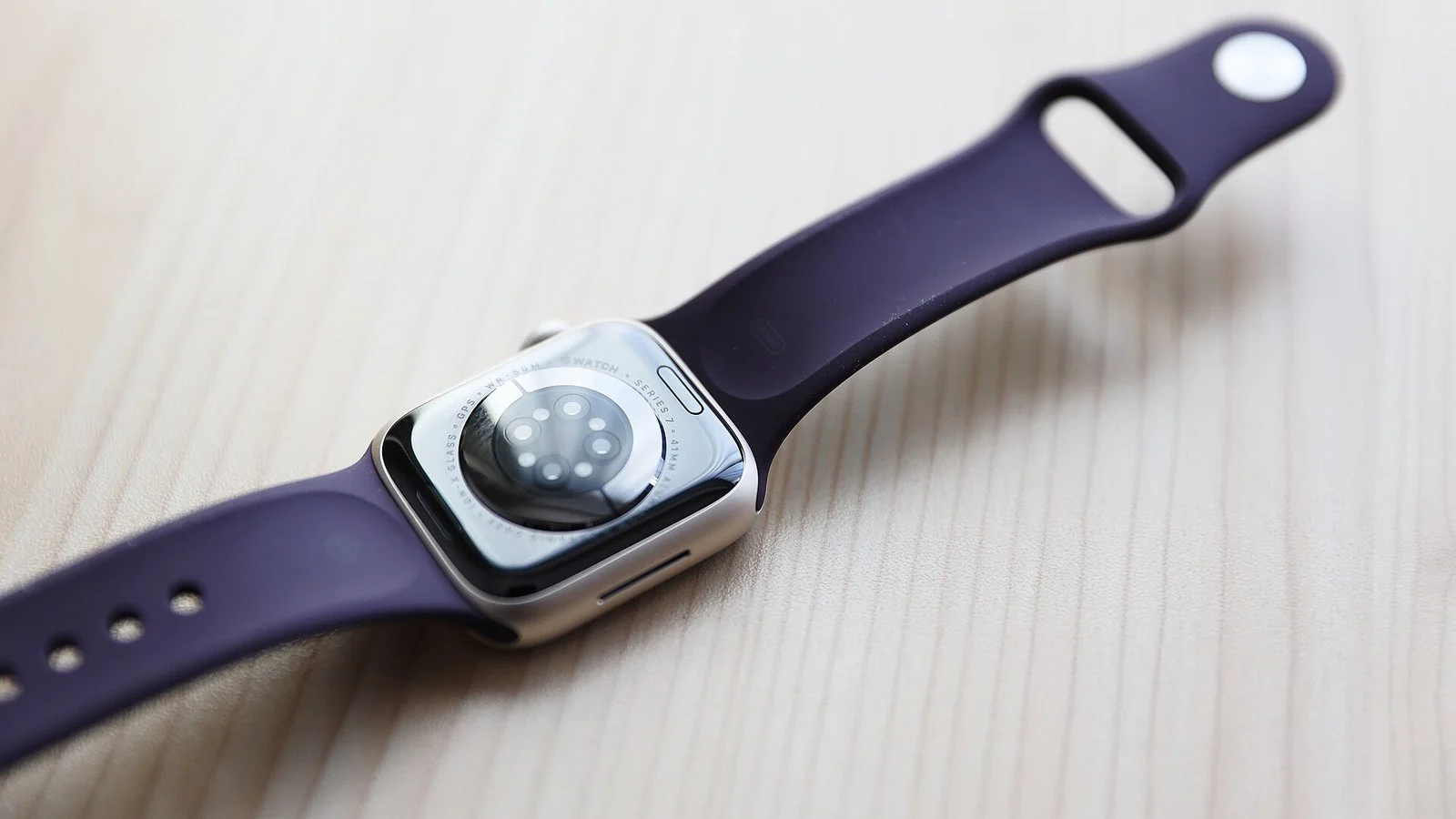
Apple’s new Watch lineup ships with a set of listening tools that transcribe recent speech and summarise ambient conversations, including a Siri Recap feature that behaves like a background meeting-notes app. The apple watch listening features arrive with privacy protections built in, according to Apple, but the underlying mechanism, a wearable that processes nearby speech by default, is what has drawn scrutiny in the days since launch.
What Siri Recap actually does
Siri Recap works along similar lines to note-taking apps such as Granola: it listens to a conversation, produces a transcript, and generates a summary afterwards. Apple says the watch does not save raw audio; it processes speech on-device and keeps only the text output. That distinction is the whole basis of Apple’s privacy pitch, since a recording that never persists cannot later be subpoenaed, leaked, or resold.
The feature sits alongside other listening tools on the new Watch that can transcribe speech spoken nearby and turn it into searchable notes, a capability that used to live only on the phone or in a dedicated recorder app. Moving it to the wrist changes how often it gets triggered, since there is no longer a phone to pull out before recording starts.
Why the apple watch listening features worry privacy watchers
As Wired put it, the protections Apple has built in cannot change the facts of what the tools do: a device capable of transcribing and summarising nearby speech is, in some sense, always listening for speech worth summarising. Whether or not audio is retained, people in a room with the watch have no way to confirm what is being processed at any given moment, and no prompt tells them a summary is being generated.
The bigger question is what happens to conversation norms once always-on transcription sits on a mainstream device. A watch that can recap what was just said normalises the assumption that speech near an Apple Watch may already exist as text somewhere, even briefly, which changes how people behave around it whether or not anything is stored.
Our contribution: two takes from one newsroom
By our arithmetic, the split in coverage isn’t just outlet versus outlet. TechCrunch published two pieces on the launch 1.3 hours apart. The first covered Siri Recap as a fairly ordinary note-taking tool comparable to Granola; the second, filed roughly ninety minutes later, questioned whether the feature is normalising the idea that technology is always listening. That reversal inside a single newsroom, in the same window, says more about how quickly the discomfort set in than any single review does.
It continues a pattern teqpost has tracked in wearables that act on ambient signals without an explicit per-use trigger: Spotify’s Running Mode arrived on Android for Premium subscribers last month, adjusting music automatically from motion data picked up during a run. The Apple Watch’s listening features apply the same always-on logic to conversation rather than movement, a different category of input to hand over passively, since a recap of what was said carries more than a running cadence ever could.
Google’s Pixel Watch 5 has no equivalent conversation-summary feature, leaving Apple alone for now in shipping ambient transcription on the wrist rather than the phone.
Image: MIKI Yoshihito via Wikimedia Commons, licensed under CC BY 2.0.