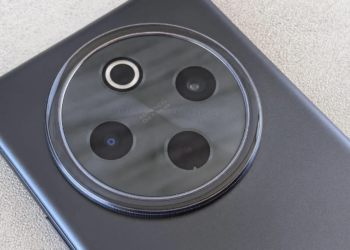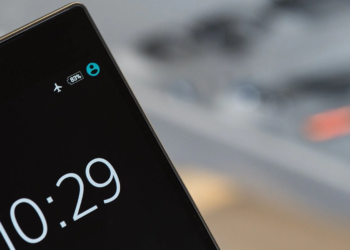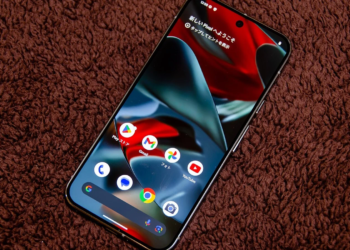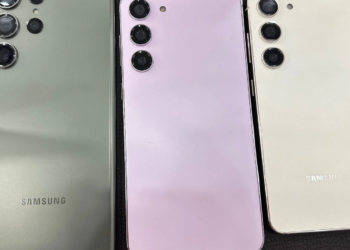

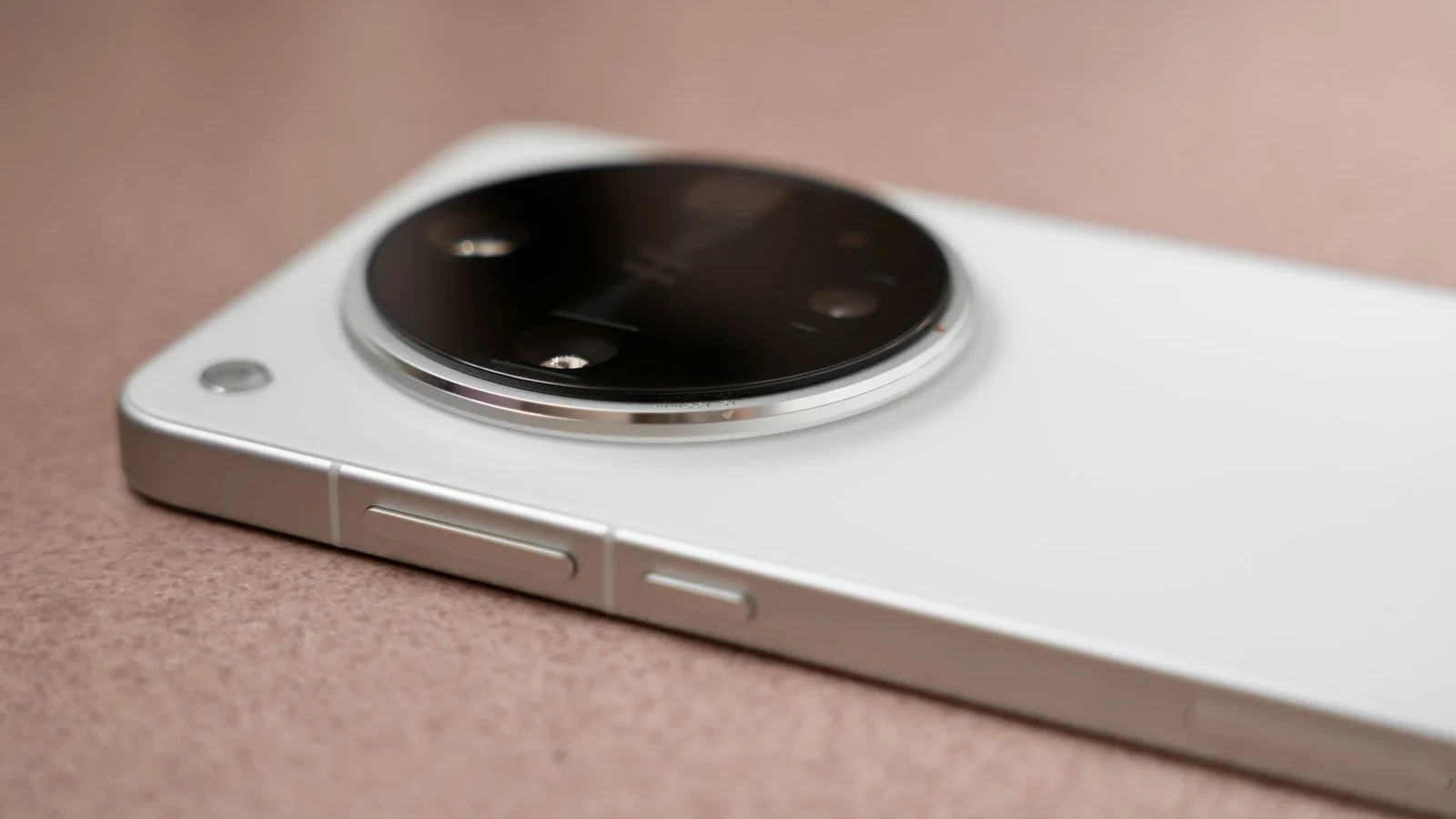
Google’s Pixel 11 Pro has a noticeably weaker camera flash than its predecessor, and the shortfall traces back to the phone’s new HiLight LED array. Reddit users flagged the drop first, and Android Authority’s own preliminary testing backs it up: the Pixel 11 Pro XL’s torch mode measured 89 lux, against 123 lux on the Pixel 10 Pro XL, a fall of roughly 28 percent. That is a big enough gap to notice when using the torch to light a room, shoot macro subjects, or fill in a dim scene before the shutter fires, and it puts the Pixel 11 Pro camera flash behind its own predecessor as well as several rival phones on the market.
Why the Pixel 11 Pro camera flash got weaker
Google fitted a physical diffuser over the camera visor to accommodate HiLight, a ring of ambient LEDs around the flash that lights up to signal things such as an incoming call or a charging phone, without waking the display. It is the same idea as the notification LEDs older phones used to carry, brought back in a new form. Android Authority’s testing points to that diffuser as the likely reason for the softer beam: routing light through an added layer of material to blend individual LED points into one smooth glow costs output, and the main flash now sits behind the same diffuser as those ambient lights.
Google has not published an official lux rating for torch mode on either generation, so the comparison rests on independent measurement rather than a spec sheet. Some early reviewers have also described HiLight itself as inconsistent in daily use, separate from the flash question, suggesting the feature is still being tuned in both hardware and software after launch.
What our earlier coverage adds
We took the Pixel 11 Pro apart when HiLight first launched and found eight individual RGB LEDs sitting behind the diffuser, in our teardown from 24 August. That hardware explains why a diffuser was necessary at all: without one, the ambient array would show eight distinct points of light rather than a single wash of colour. It also means the flash regression is a side effect of a genuine design change, not a cost-cutting swap of components.
The trade-off looks worse next to our report on the phone’s DxOMark score from the day before, which put the Pixel 11 Pro XL’s camera close to the iPhone 17 Pro in daylight and low-light stills, a vendor-independent lab result rather than a Google claim. A camera that scores well in a controlled lab test can still ship with a flash that under-performs in a genuinely dark room, and by our reading that is exactly what happened here: two components of the same camera system moving in opposite directions within the space of two days of coverage.
What to watch next
Google has not commented on the flash measurements, and there is no firmware update that fixes a physical diffuser once it is bonded to the visor. Worth watching is whether Google addresses the trade-off directly, whether a future Pixel Feature Drop adjusts the LED driver current to compensate, and whether other independent testers publish their own lux figures to confirm or challenge Android Authority’s numbers before treating the gap as settled.