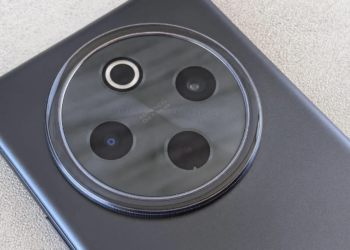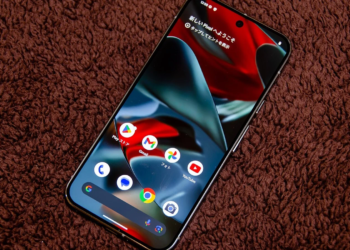

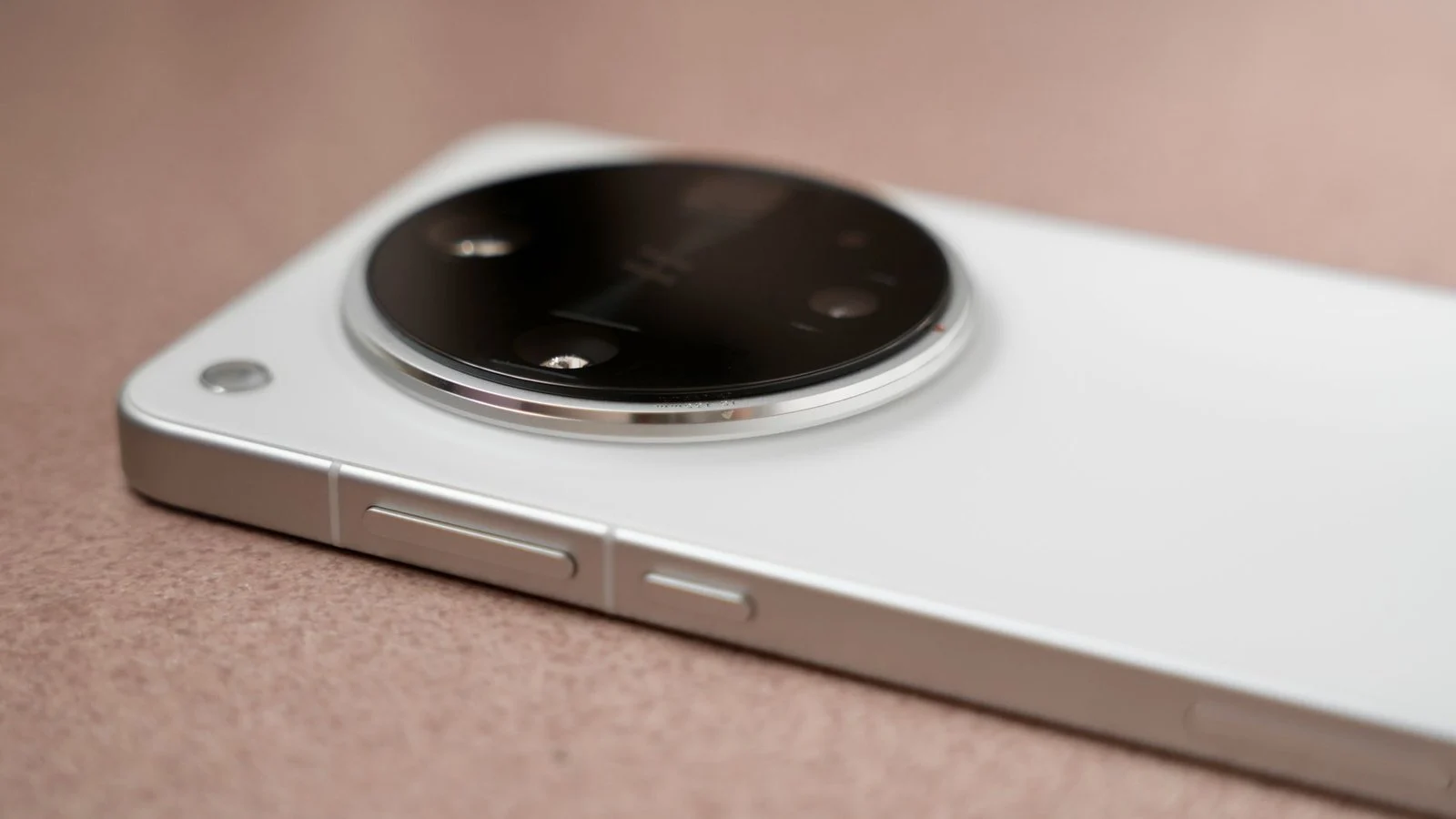
The Pixel 11 Pro HiLight module hides a ring of eight physical RGB LEDs around the camera flash, a teardown of the phone has confirmed, even though the settings app limits users to just five colour presets.
HiLight is Google’s name for the notification and camera light on the Pixel 11 Pro, and until now the only evidence of how it worked was the software layer: pick one of five preset colours and the ring lights up accordingly. Disassembling the module shows why that number felt arbitrary. Instead of a single LED behind a diffuser, or a two-tone flash like most phones use for white balance, Google fitted eight discrete RGB LEDs in a circle around the flash housing. That is enough hardware to drive a full colour range, not five fixed points on it.
Inside the Pixel 11 Pro HiLight module
The physical layout matters because it changes what HiLight actually is. A single RGB LED with five stored presets would be a straightforward colour-flash gimmick. Eight LEDs arranged in a ring is closer to the hardware used for lighting effects and directional colour, the kind of thing you’d expect to support patterns, gradients, or per-LED control rather than one flat colour applied to the whole ring. None of that is exposed in the current settings menu.
Why the flashlight got worse
The extra hardware has a cost. 9to5Google reports that splitting the flash into eight smaller RGB LEDs instead of one bright white LED makes the ordinary flashlight function, the one every other phone uses the rear flash for, noticeably weaker on the Pixel 11 Pro. HiLight’s colour party trick came at the expense of the boring, high-use case: pointing your phone at something in the dark.
What’s changed since our last look
We covered HiLight Studio, the app that does what Google wouldn’t, on 21 August, when it was already clear third-party software could unlock more from the ring than Google’s own settings menu allowed. This teardown explains why that was possible: the app wasn’t inventing capability, it was reaching hardware that was already there. Eight individually addressable RGB LEDs is a lot of headroom for five presets to be using.
By our arithmetic, Notebookcheck’s teardown published 22.2 hours ahead of 9to5Google’s piece on the flashlight regression. The gap is worth noting because the two stories are really one story told from opposite ends: Notebookcheck found the hardware Google built, 9to5Google found what that hardware cost elsewhere on the phone. Neither outlet’s piece makes full sense without the other.
We also looked at the Pixel 11 Pro’s telephoto sensor upgrade on 20 August, part of the same pattern on this phone: components with more capability than the software Google shipped exposes.
What to watch is whether Google extends HiLight past five presets in a future update. The hardware, eight physical RGB LEDs already wired for individual control, supports it. Nothing in either teardown suggests a software limit that can’t be lifted, only one that hasn’t been yet.