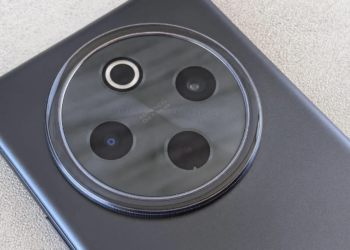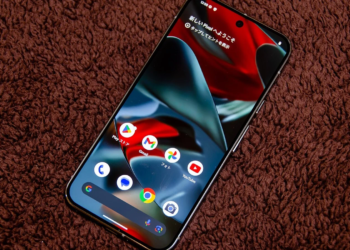

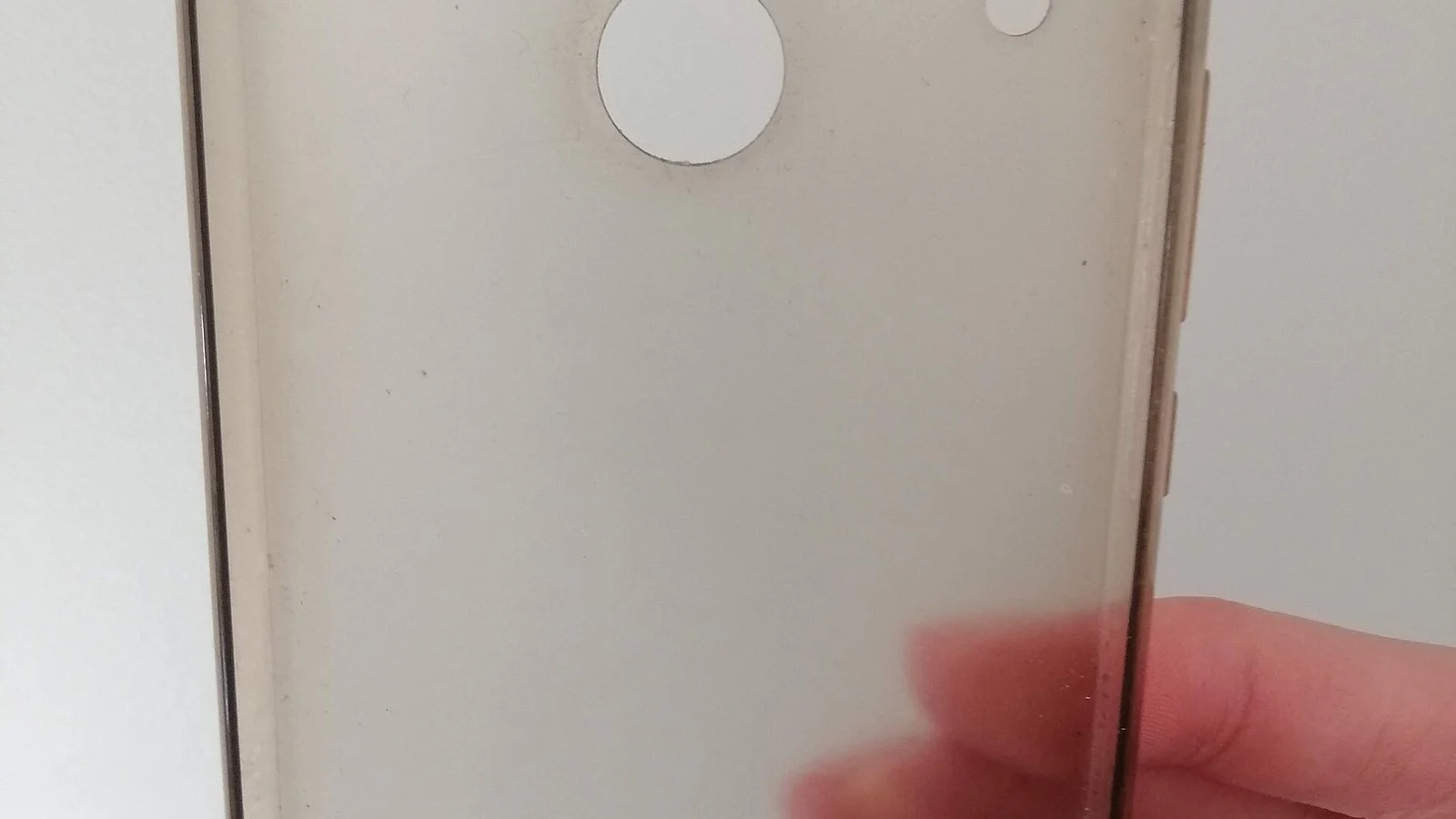
Google’s Pixelsnap Clear Case, the official Pixel 11 clear case sold alongside the new phones, costs far more than the category usually asks, and reviewers close to Made by Google gear are telling buyers to skip it. The case comes in clear plastic for the Pixel 11, Pixel 11 Pro and Pixel 11 Pro XL, built around Google’s Pixelsnap magnetic ring rather than a plain slip-on shell.
What the Pixel 11 Clear Case gets wrong
A magnetic ring is the entire pitch for buying first-party: alignment with the phone’s charging coil, a fit designed alongside the hardware rather than reverse-engineered from a leak, and Google’s own warranty behind it. None of that changes what category the product sits in. A clear case is the cheapest, least engineered accessory a phone gets, and third-party clear cases with the same magnetic ring already cover the Pixel 11 line for a fraction of what Google charges. The one scenario where the price stops being a problem is a buyer with Google Store credit to spend. Paying full price outright, with no credit offsetting it, is where the case stops making sense.
None of this is a complaint about build quality, which nobody disputes. It is entirely about what the case costs against what a clear case, by definition, needs to do.
Most Pixel 11 buyers will end up with a case regardless of what a reviewer recommends. Buying one alongside a new phone is close to a default purchase, and only a small minority skip a case entirely and carry the phone bare. That default is exactly what makes an overpriced first-party option worth calling out: it’s the option Google itself puts in front of buyers at checkout, right next to the phone they’ve just paid a premium for.
Why Pixel 11 pricing is already a sore point
The Clear Case isn’t an isolated pricing complaint. GSMArena ran a reader poll asking which Pixel 11 model people would buy, and price came back as the most common reason for skipping the range altogether. A significant share of respondents weren’t voting for a specific model at all: they said they don’t want any Pixel 11 phone.
Among readers who do want one, the standard Pixel 11 Pro pulled in almost as many votes as the vanilla Pixel 11 and the Pro XL combined. The Pro XL trailed a distant second, and the foldable barely registered. That’s a buyer base already primed to see Pixel 11 pricing as the sticking point, which makes an overpriced first-party case a bad follow-up rather than a one-off misstep.
The foldable’s weak showing tracks with a durability record that hasn’t improved: the Pixel 11 Pro Fold failed a bend test for the fourth year running. A troubled hinge and an overpriced clear case are unrelated complaints on paper, but they land on the same buyer, someone who has already decided Pixel 11 pricing needs to earn its keep before it gets a wallet.
Google’s pattern here isn’t new. Bundling first-party accessories at prices that only make sense once store credit is applied is a familiar way to collect more from buyers who already paid a premium for the phone itself. For anyone about to check out with a new Pixel 11, the Pixelsnap Clear Case is the line item worth cutting.
Image: Panamitsu via Wikimedia Commons, licensed under CC BY-SA 4.0.