
Intel is reportedly preparing a new desktop chip, codenamed Raptor Lake Next, carrying eight Performance cores and eight Efficient cores as a successor to the Core i5-14600K. The claim comes from leaker Jaykihn on X, flagged by TechPowerUp, and points to a chip built on the original Raptor Lake design rather than the Raptor Lake Refresh silicon inside today’s 14th Gen stack.
This is a single-source leak. Treat the exact core configuration, cache sizes and timing as rumour until Intel or a motherboard partner confirms them.
What the 8P+8E configuration changes
The current 14600K runs six Performance cores; two more would bring Raptor Lake Next level with the Core i7-14700K on P-core count, though not necessarily on cache size or clock speed, either of which Intel could trim to keep the new part positioned below its own 14700K.
- Core i5-14600K (current): six Performance cores, eight Efficient cores
- Raptor Lake Next (rumoured): eight Performance cores, eight Efficient cores
- Core i7-14700K (current flagship): eight Performance cores
For games that scale with core count rather than raw clock speed, two extra Performance cores should register as a real gain. The 14600K already trades blows with Arrow Lake Refresh in several titles, and a P-core increase could put its successor ahead of the Core Ultra 5 250K Plus in the same tests.
Why Intel is keeping LGA1700 alive
Raptor Lake Next isn’t being framed as a wholesale replacement for the 14th Gen lineup, it’s reportedly filling gaps in it. Intel is said to be working on additional 125W and 65W desktop SKUs alongside mobile variants on the same base silicon, which points to a mature, high-yield die staying in production rather than a clean generational cutover.
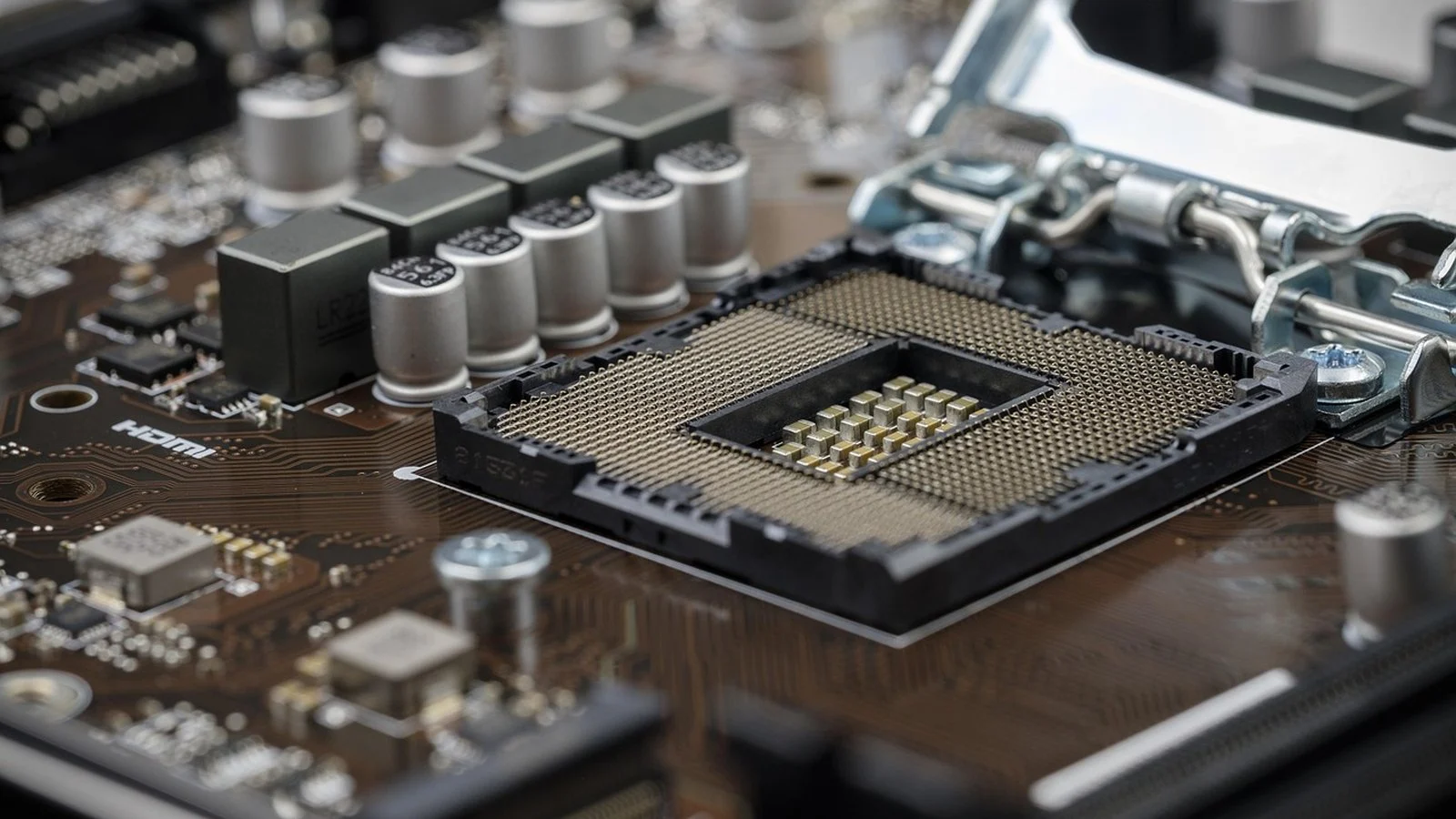
DDR4 support is reportedly part of the pitch too, and that detail carries more weight now than it would have two years ago: it lets anyone building or upgrading a Raptor Lake Next system skip DDR5 pricing entirely. New LGA1700 motherboards from Intel’s partners are expected to launch alongside the chips in early 2027.
Two Intel sockets running side by side
Intel confirmed the LGA1954 socket for Nova Lake-S CPUs last month, and that platform is Intel’s actual next-generation desktop line. Raptor Lake Next, still on LGA1700, would run in parallel with it rather than being replaced by it: an older socket getting new silicon to cover the budget and mid-range tiers while LGA1954 takes the higher end. It’s a similar split to what’s already playing out on the GPU side of the Nova Lake-S plan, where Intel scrapped a 12-core Xe graphics tile for those desktop chips even as it adds Performance cores to the LGA1700 lineup instead. Two active desktop sockets means Intel’s near-term stack won’t consolidate as fast as a straight Nova Lake-S launch would suggest.
What to watch next
Watch for corroborating leaks on Raptor Lake Next’s cache and clock speeds, and for the first LGA1700 motherboard listings from Intel’s partners as the early 2027 window approaches. Neither Intel nor any board vendor has confirmed the chip.