
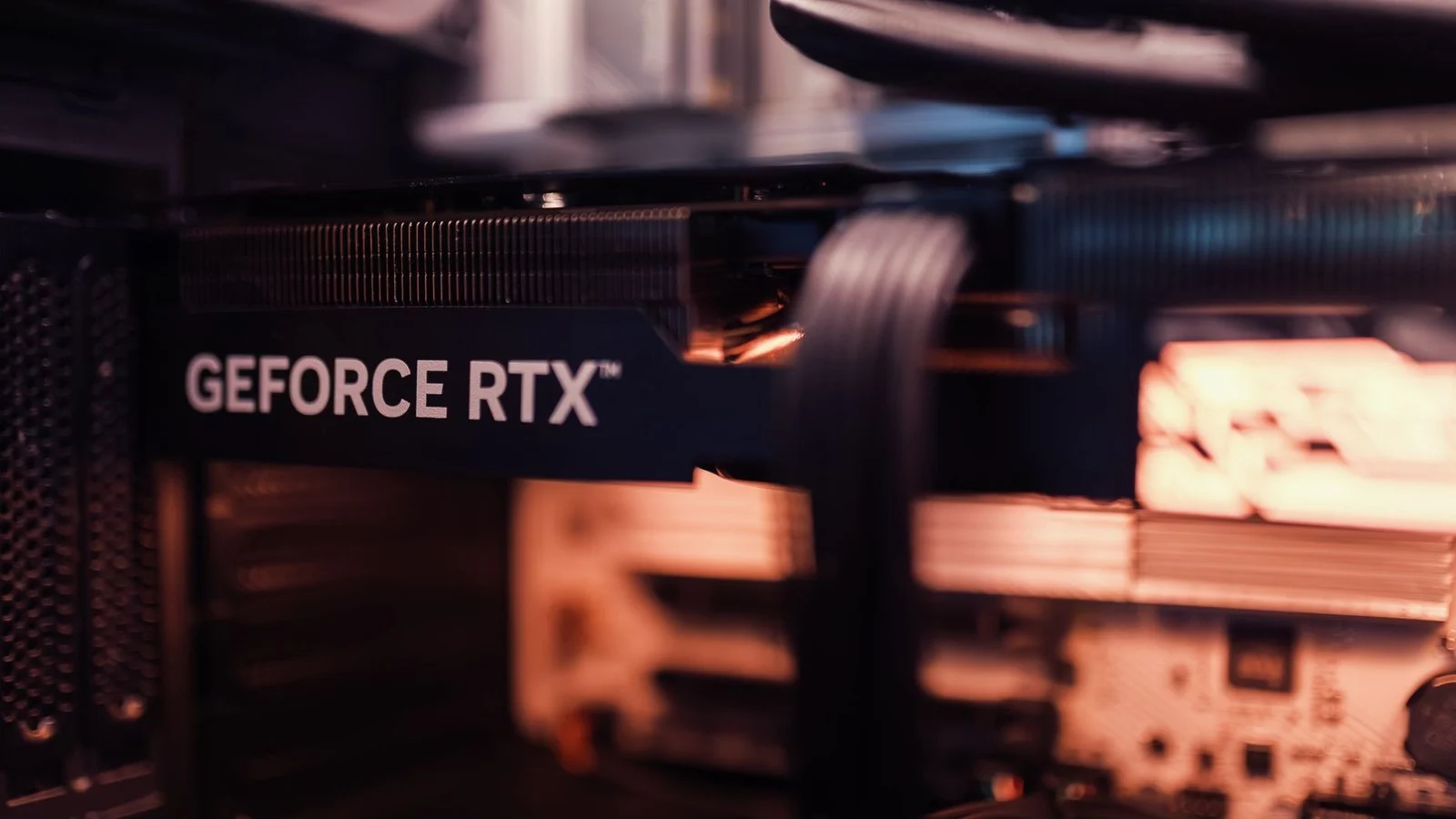
AI server builders are reportedly buying retail GeForce RTX 5090 graphics cards in bulk to slot into multi-GPU AI rigs, adding a new source of demand to an RTX 5090 shortage that gamers were already living with. New photos allegedly show pallets of brand-new, boxed RTX 5090s being unpacked at AI server assembly sites, not the RTX PRO 6000 or the dedicated data centre accelerators Nvidia actually sells for that workload.
The cards in the photos are standard retail units, the same ones gamers have struggled to find anywhere near MSRP, pulled straight from their packaging and installed in AI hardware rather than gaming PCs.
What the photos show
The images come from HKEPC and were reported by TechPowerUp, which also flagged that some elements of the photos appear altered or AI-edited, so they should be treated with some caution. TechPowerUp also points out this isn’t a new pattern: during the crypto boom, miners bought up GeForce cards in bulk while gamers got squeezed out, and Nvidia eventually responded with Lite Hash Rate models that throttled mining performance without touching gaming specs. That restriction was fully bypassed within about a year. This time the workload is AI rather than mining, but the effect on gamers looks the same.
Retail pricing and our earlier coverage
Retail RTX 5090 listings have reportedly climbed past $5,000, more than double the card’s $1,999 launch price. By our arithmetic, that’s a $3,001 increase, a 150% premium over MSRP for the top-priced listings, teqpost calculates from the reported figures.
We covered a related sign of this squeeze on 12 September, when a modded RTX 5090 with 96GB of memory turned up on Alibaba for $3,888. At the time, that price applied to a hand-modified card sold specifically for AI workloads outside Nvidia’s retail channel. What’s changed since is that unmodified, boxed retail RTX 5090s are now reportedly clearing $5,000 on ordinary listings, meaning the AI-driven premium is no longer confined to modified cards sold on grey-market storefronts.
What to watch
The open question is whether Nvidia intervenes the way it did with Lite Hash Rate cards, restricting AI throughput on gaming SKUs without touching gaming performance, or whether it leaves retail RTX 5090 pricing to keep climbing through the rest of this generation. Given that the Lite Hash Rate restriction was bypassed within about a year last time, a repeat wouldn’t necessarily fix availability for long even if Nvidia tries it.