
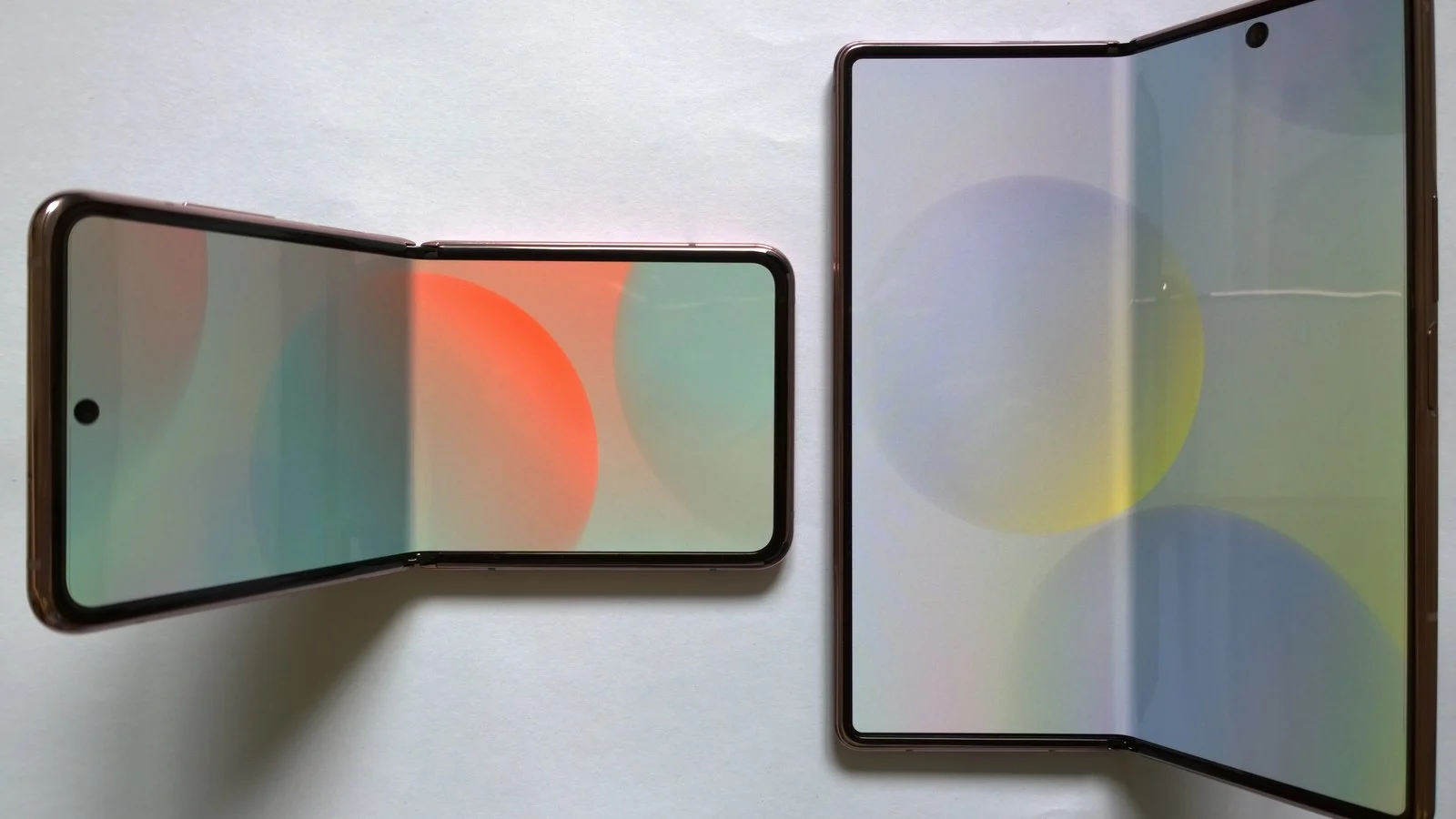
Samsung is diverting display driver chips earmarked for next year’s phones to keep production of the Galaxy Z Fold 8 running, after demand for the foldable outpaced the company’s own forecasts.
The bottleneck sits with the Display Driver IC, or DDI, the chip that controls individual pixels on the Fold 8’s OLED panel. Samsung has reportedly increased its component orders after demand for the passport-style foldable exceeded expectations, but its DDI supplier, Taiwan’s United Microelectronics Corporation, has little spare capacity to ramp up output on short notice. DDI orders are placed on lead times measured in months, so a shortfall that only becomes visible once sales figures come in cannot be fixed by simply placing a bigger order and waiting.
That is a familiar pattern in smartphone manufacturing. Touchscreen controllers, camera sensors and display drivers are frequently the parts that gate how many phones a company can actually assemble in a given month, regardless of how much battery or memory capacity it has stockpiled elsewhere.
Where the borrowed chips come from
To keep current Fold 8 lines running, Samsung is pulling DDI stock that was never meant for this device at all. 9to5Google reports those reserves were earmarked for Samsung’s 2027 smartphone lineup, not a vague future stockpile. The arrangement works because chip orders are placed well ahead of a phone’s actual release, so Samsung already held inventory meant for devices that have not been announced yet. Borrowing from it solves this quarter’s problem, but it does not create new supply; it just moves the same shortage a year down the line unless UMC adds capacity in the meantime.
Why Galaxy Z Fold 8 demand caught Samsung off guard
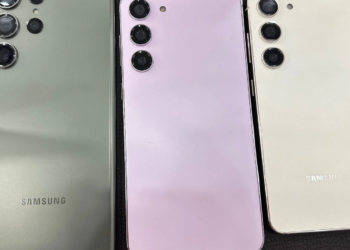
The shortfall follows a strong run for Samsung’s phone lineup as a whole. The Galaxy S26 Ultra was the best-selling Android phone globally in the second quarter of 2026, and the standard Galaxy S26 also cracked the global top ten. A foldable outselling Samsung’s own component planning suggests the company under-forecast how many buyers were ready to move from a slab phone to a book-style one, or simply underestimated how much of that S26 momentum would carry into the Fold line. Either way, the practical effect for anyone ordering a Fold 8 now is the usual one when a component runs short: longer waits on some configurations while Samsung reallocates chips instead of building fresh capacity.
Durability doubts haven’t slowed the rush
Fold demand outpacing supply comes as durability, rather than desirability, has been the bigger foldable story elsewhere. We reported on Pixel 11 Pro Fold’s bend-test failures on 23 August 2026, the fourth consecutive year Google’s foldable has failed that test. Samsung’s problem here is the opposite kind: not whether buyers trust a folding phone to survive daily use, but whether Samsung can physically build enough of them. That contrast is worth keeping in view: one foldable maker fighting a durability reputation, another running short of the chips needed to meet demand it did not fully expect.
What to watch
The near-term question is whether UMC can free up additional DDI capacity before the 2027 shortfall becomes Samsung’s problem a second time. If it cannot, expect the same reallocation to repeat with whatever phone follows the Fold 8, and possibly a wider squeeze if Samsung applies the same fix to other components running low.
Image: The photo: Samsung Galaxy ZThe screenshots: Google via Openverse, licensed under CC BY 4.0.