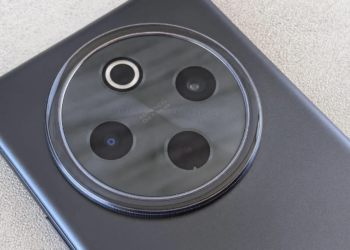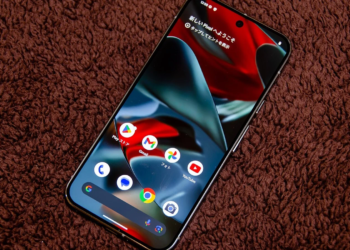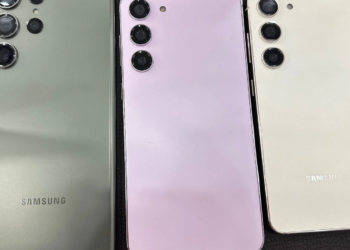

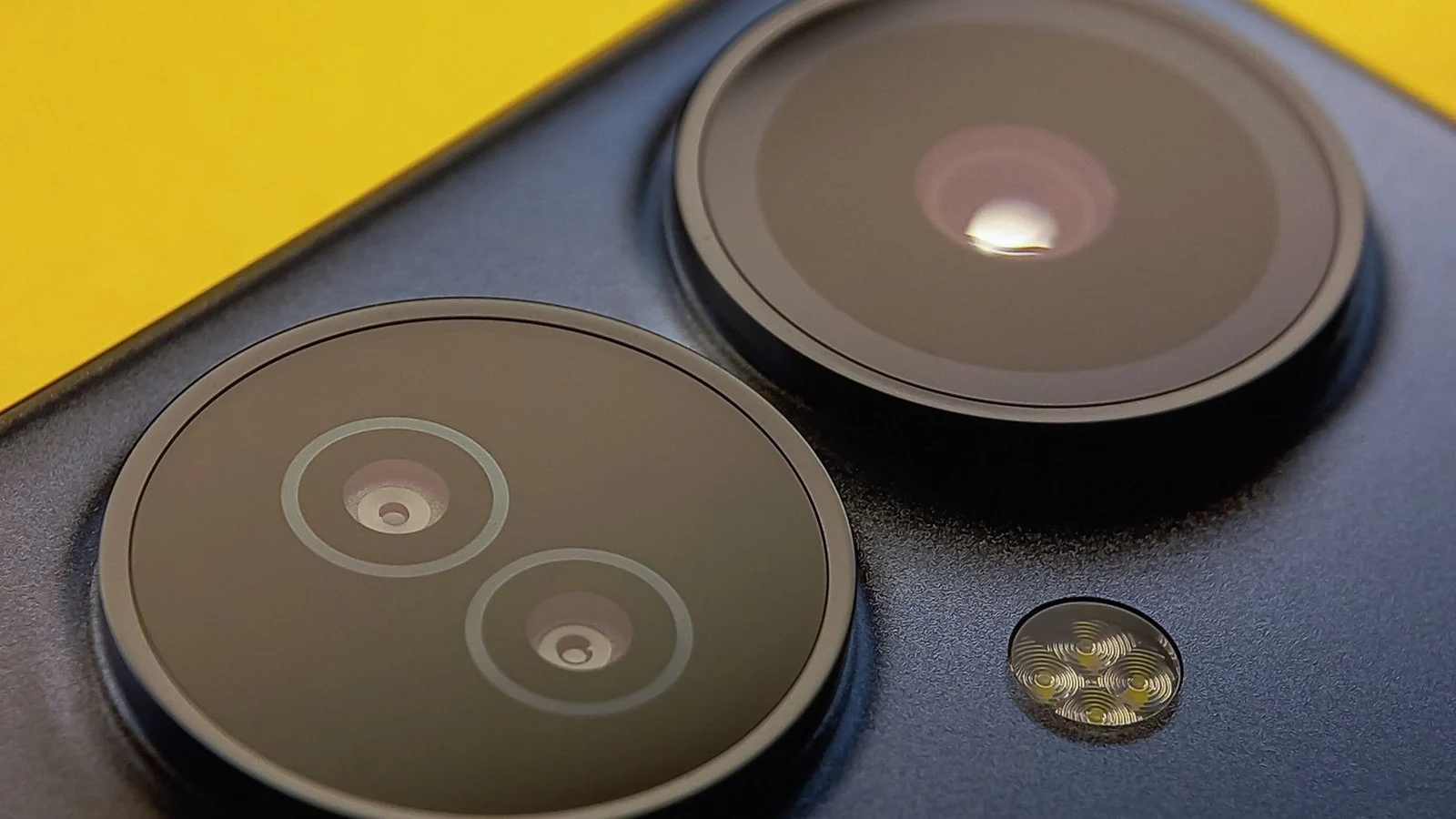
DxOMark has tested the Google Pixel 11 Pro XL’s cameras and put it just behind the Apple iPhone 17 Pro and the Vivo X300 Ultra, the two phones sitting at the top of its current rankings. The Pixel 11 Pro camera trails that pair by a narrow margin, according to Notebookcheck’s read of the scores, and sits well clear of most other Android flagships.
That’s a stronger showing than the spec sheet alone would suggest. The Pro XL doesn’t carry the largest sensors or the most aggressive zoom hardware in its class, yet DxOMark’s testing weighs real shooting conditions rather than headline numbers, and the phone held up across enough of them to land just under the two class leaders.
How the Pixel 11 Pro camera compares with Pro rivals
The distinction matters because DxOMark’s score is a lab result, not a figure Google published itself. The lab shoots identical scenes across devices and scores stills, video, zoom and low light separately before weighting them into one number, which is why it carries more weight than a manufacturer’s own comparison chart. On that basis, the Pixel 11 Pro camera sits close to, but not ahead of, the iPhone 17 Pro and the Vivo X300 Ultra.
- iPhone 17 Pro and Vivo X300 Ultra: DxOMark’s current top two
- Google Pixel 11 Pro XL: close behind, ahead of most other Android flagships
Why the standard Pixel 11 falls further behind
Notebookcheck ran the smaller, non-Pro Pixel 11 through the same process and got a different result. It beats Samsung’s Galaxy S25 Ultra but falls short of the iPhone 17. The report points to sensor size as the main reason: the ultra-wide-angle and telephoto cameras on the standard Pixel 11 use noticeably smaller sensors than the Pro XL’s, and that shows up as a compromise in several shooting conditions rather than a headline weakness.
Smaller sensors gather less light per pixel, which is the mechanism behind that compromise. It matters most once conditions get harder: ultra-wide shots at dusk carry more visible noise, and a telephoto module with a smaller sensor has less real optical reach before the phone falls back on crop or digital zoom to close the gap. That isn’t a software bug Google can fix with an update; it’s a hardware ceiling the standard Pixel 11 was built around to hit a lower price than the Pro XL.
The two results are worth keeping straight, since “Pixel 11 rivals the iPhone 17 Pro” is only true of the Pro XL. Anyone shopping on the strength of that headline and looking at the cheaper Pixel 11 is buying a different camera system built to a different price, and DxOMark’s numbers treat it that way rather than lumping the two together.
What our telephoto coverage already flagged
We reported on 20 August that the Pixel 11 Pro’s telephoto sensor had quietly changed ahead of launch, a swap Google didn’t call out in its own marketing. DxOMark’s published scores don’t break the Pro XL’s result down by individual module, so the benchmark can’t confirm exactly what that swap was worth on its own. But the overall placement, just behind two phones known for strong zoom performance, is consistent with a telephoto path that’s carrying more of the load than it used to.