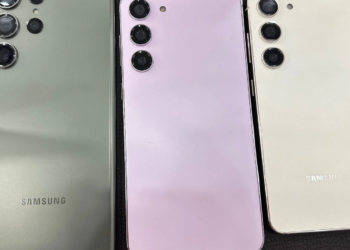

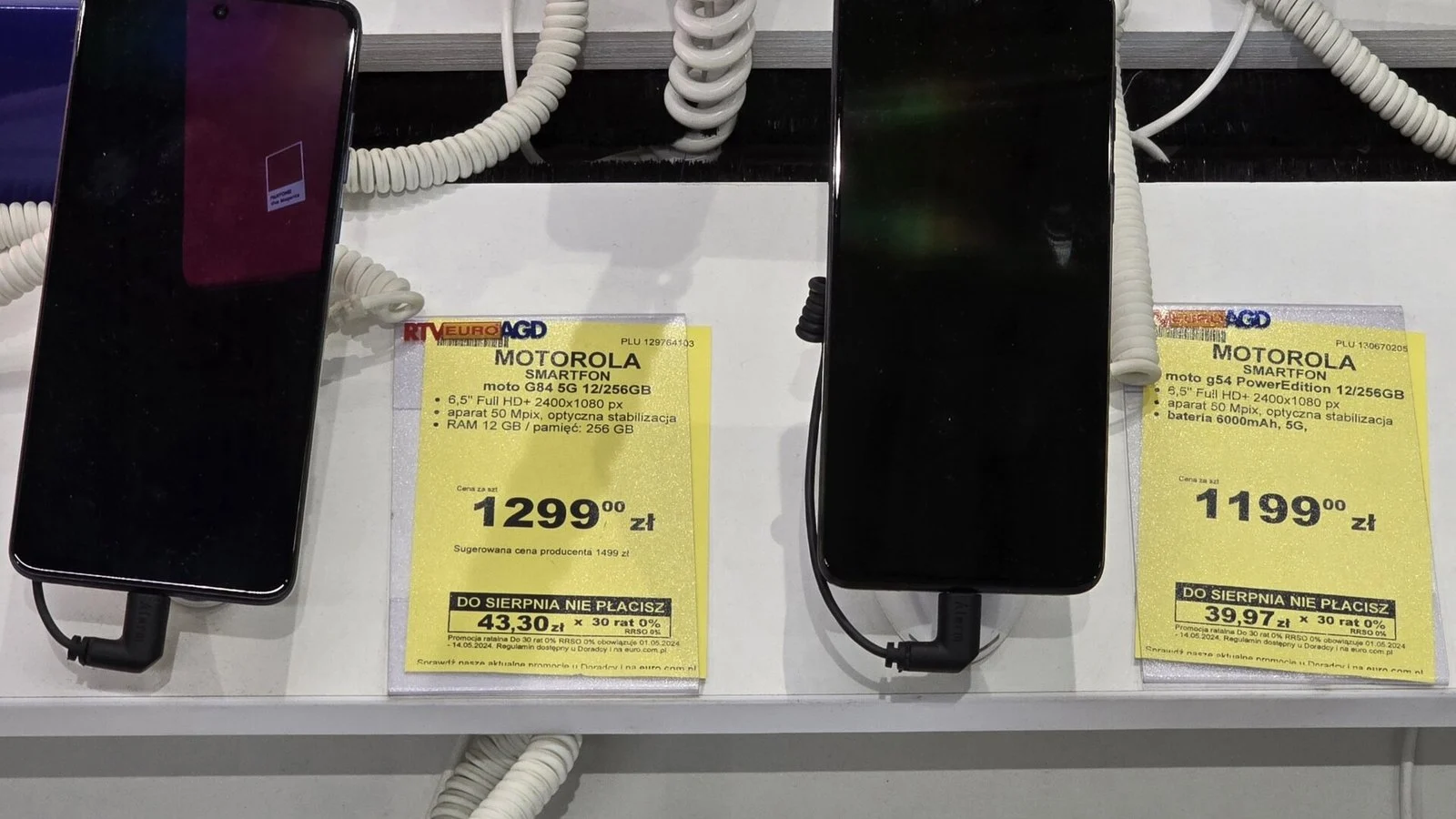
GrapheneOS has confirmed the shape of its Motorola rollout: a traditional flagship first, then the Razr Fold and Razr Ultra foldables. The project laid out its plans for GrapheneOS Motorola phones in a Mastodon thread, setting out which hardware qualifies and roughly when support is likely to land.
GrapheneOS is the privacy-focused, de-Googled Android build best known for running on Pixel hardware, where it strips out Google services and hardens the default security model. Extending that support to a second manufacturer is a rare move for the project, and it comes with conditions Motorola’s silicon has to meet first.
On Pixel, GrapheneOS leans on hardware Google already ships: a dedicated secure element for key storage and attestation, plus support for ARM’s Memory Tagging Extension, which catches memory-safety bugs at the hardware level rather than relying on software checks alone. Motorola’s current Snapdragon-based phones don’t match that combination, which is the practical reason support has been gated on a future chipset rather than an existing one.
How GrapheneOS Motorola phones will roll out
The first supported device will be a regular, non-folding flagship, with GrapheneOS expecting to have it ready in 2027. Foldables follow the flagship: both the Razr Fold and the Razr Ultra are on the roadmap, and The Verge reports the Razr Ultra would be the first flip phone to officially run GrapheneOS. Cheaper Motorola models may follow eventually, though the project has not committed a device or a date to that tier yet.
The staggered order is a hardware constraint, not a preference. GrapheneOS says the improvements it needs arrive with the next generation of Snapdragon chips rather than the silicon Motorola ships today. Until that hardware exists, there is nothing for GrapheneOS to build its hardened security model against, which is why the 2027 timeline tracks Qualcomm’s roadmap as much as Motorola’s own plans.
What the seven-year update requirement actually means
GrapheneOS will only support a device if the manufacturer commits to seven years of updates for it. That is the project’s own floor, not a marketing figure, and it rules out any Motorola phone whose support window falls short. teqpost calculates that a flagship launching in 2027 under that commitment would need security updates guaranteed as late as 2034, a support tail that currently only Google and Samsung maintain on comparable phones. Motorola signing up to that clock is arguably the more significant part of this story: it is a commitment about the next seven years of a phone, not just the software it ships running on day one.
None of this is live yet. GrapheneOS is describing a roadmap, and the Snapdragon generation it is counting on has not shipped, so the 2027 date depends on chips that do not exist. The project has a track record of hitting its own targets on Pixel hardware, but a second manufacturer, a new secure element and a folding chassis introduce failure points a single-vendor build never had to deal with before.
What to watch: whether Qualcomm’s next Snapdragon flagship platform ships with the Memory Tagging Extension and secure element support GrapheneOS is counting on, and whether Motorola confirms the seven-year update commitment on its own terms rather than through a third-party project’s announcement.
Image: MichalPL via Wikimedia Commons, licensed under CC BY-SA 4.0.