
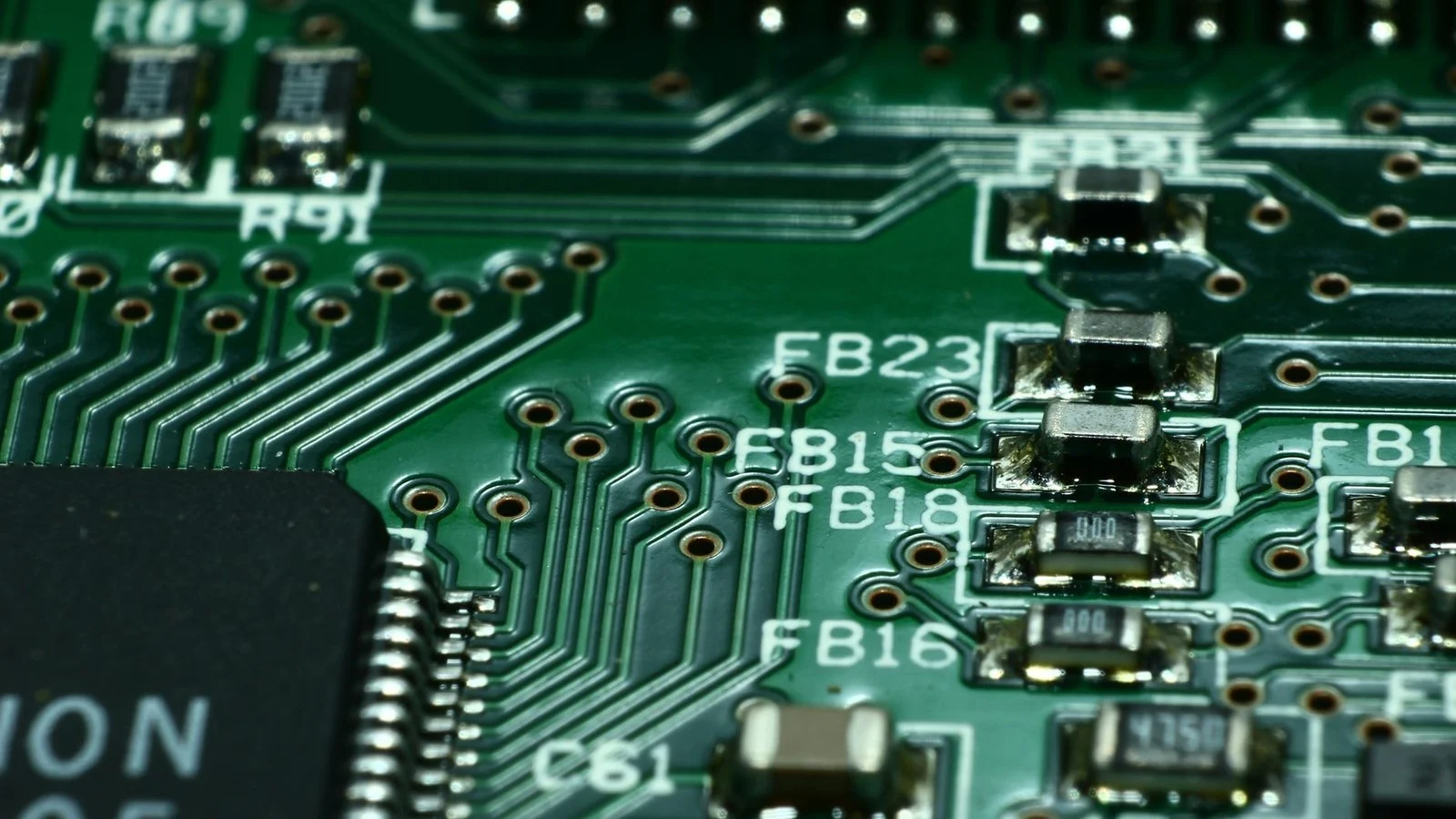
A Raspberry Pi RAM lock built into the boards’ firmware ties every unit permanently to the memory capacity it left the factory with, the company has confirmed, blocking chip swaps for repair or upgrade.
The admission came from PhilE, a Raspberry Pi engineer and forum moderator, in a reply on the company’s own forums. He told a user who had soldered a new memory chip onto a board that the company has been “locking devices to their original RAM size” for some time, and that trying to work around it is pointless: “don’t waste your time trying – it won’t work.”
The reasoning behind the Raspberry Pi RAM lock
PhilE laid out the reasoning candidly rather than dressing it up. Some resellers, he said, were buying boards fitted with cheaper, lower-capacity RAM and swapping in higher-capacity chips “of dubious origin” before reselling them as full-spec units. Because those boards were never tested by Raspberry Pi at the higher configuration, buyers ended up with unreliable hardware and the support complaints landed on the company rather than the reseller.
Locking each board to its factory RAM size removes the financial incentive for that scheme. PhilE also noted that the firmware checks other attributes tied to the specific RAM part fitted at the factory, which means even a chip swap between two boards of identical capacity may not be recognised. That complicates legitimate repairs as much as it blocks the resale scam it was built to stop.
What our numbers add
PhilE’s own example of the scam is a 2GB board upgraded to 8GB. teqpost calculates that’s a 300% jump in memory capacity, achieved with a soldering iron and a chip of unverified origin rather than by paying for a genuine 8GB unit. That gap in price versus perceived value is precisely the incentive the lock is designed to erase, and it explains why Raspberry Pi treats an untested swap as a support liability rather than a harmless mod.
The timing undercuts any theory that this is a reaction to the current market. The lock began rolling out in firmware updates from late 2024, well before this year’s RAM pricing surge driven by AI data centre demand. Whatever prompted it, it wasn’t the price of memory.
Repairs and upgrades are now off the table
The disclosure itself surfaced because a user couldn’t get a newly soldered 4GB chip to register on a Compute Module 5, a detail reported by TechPowerUp. That’s the exact scenario the lock is built to stop, regardless of whether the person doing the soldering is a scammer or an owner trying to fix their own board.
For a company whose reputation rests on the maker and DIY community, that’s an awkward position. A board with a failed RAM chip can no longer be repaired by swapping in a replacement of the same capacity unless that replacement matches the exact part Raspberry Pi originally fitted, and boards can’t be upgraded to a higher capacity after purchase at all. The only known way around the lock is flashing firmware from before the change rolled out in late 2024, which means giving up whatever fixes and features shipped since.
Anyone weighing a single-board computer for a DIY build should treat the RAM capacity on the box as final at the point of purchase, the same way you’d approach a laptop with soldered memory. For a look at hardware where that trade-off runs the other way, our review of Apple’s M6 Mac mini covers a machine built around the same non-upgradeable philosophy, just with a different price tag attached to it.