
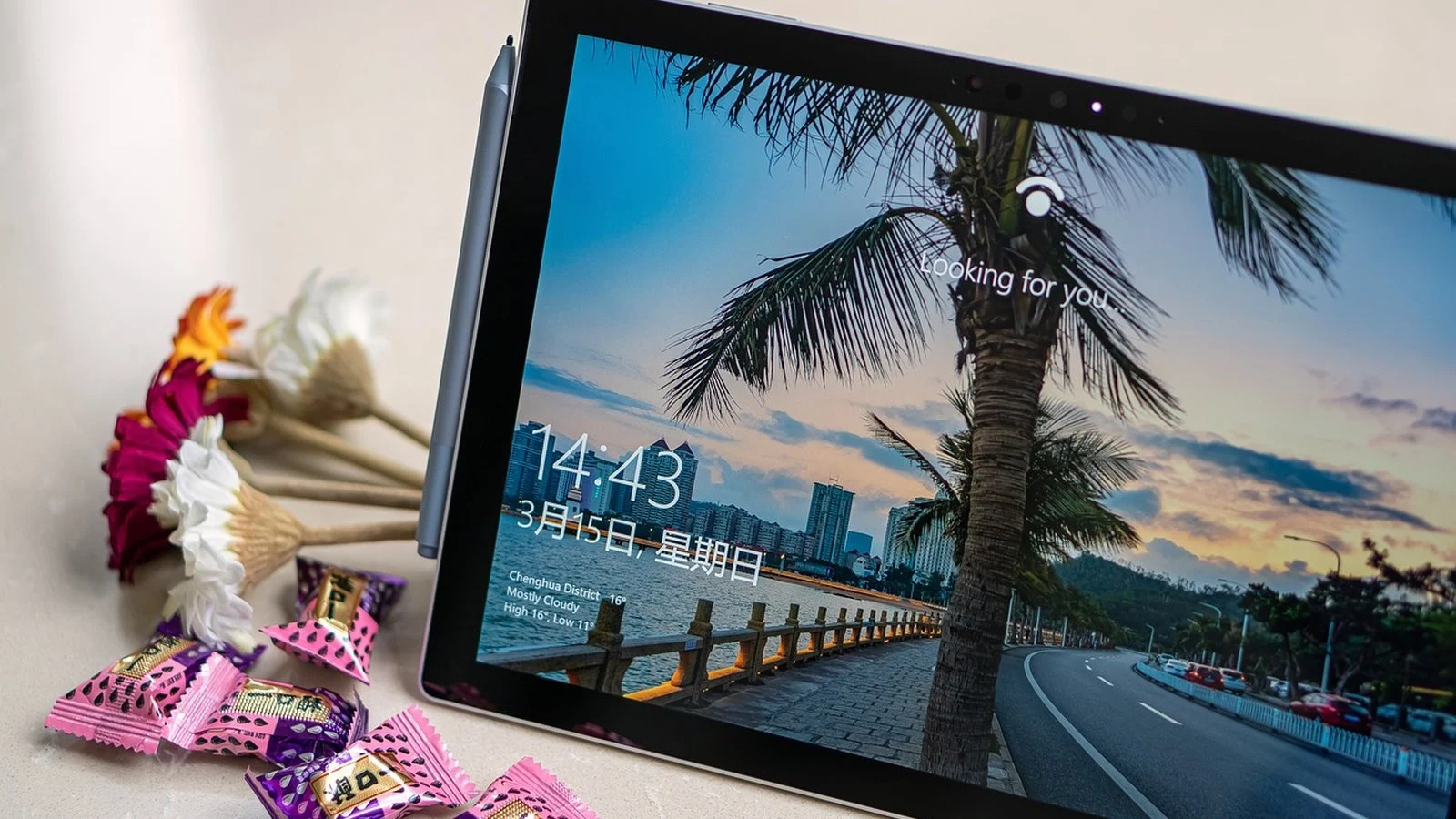
Microsoft has added Intel’s Core Ultra Series 3 “Panther Lake” mobile chips to the supported device list for Automatic Super Resolution, the Windows-level upscaling feature it introduced in 2024. Auto SR is hardware-agnostic: it runs on the NPU built into a laptop rather than leaning on a specific vendor’s shader-based upscaler, which is why Microsoft can extend it to nearly every NPU-equipped Windows device, Panther Lake now included.
That NPU dependency is the whole point. Because Auto SR runs as a Windows-level model rather than a per-title integration, Microsoft doesn’t need each chip vendor to write a dedicated hook for every game. Any NPU capable of running the model qualifies, which is how a feature built in 2024 keeps picking up new silicon without a rewrite.
Auto SR exists for the gap Intel’s own upscaler doesn’t cover. If a game ships native XeSS Super Resolution, Microsoft recommends using that instead, since it’s tuned to the title and the hardware. Auto SR is the fallback: built into Windows itself, it applies upscaling to existing games that never integrated a super-resolution technology of their own, without a developer patch or a day-one driver profile.
What Microsoft’s own automatic super resolution numbers show
Microsoft’s preliminary figures, reported by TechPowerUp, come from the Assassin’s Creed Valhalla benchmark run on the Intel Arc B390 GPU inside Panther Lake SoCs. At native 1600p with in-game settings on “High”, the chip averages around 45 FPS. With Auto SR upscaling a 1050p render to 1600p and settings pushed to “Ultra”, it holds 52 FPS, a 15% gain at a higher graphics preset, with no visible resolution loss from the model’s reconstruction.
Those are vendor figures from Microsoft’s own lab, not an independent benchmark, so they describe a best case rather than a guarantee across every Panther Lake configuration and game. One title, one GPU tier, one settings comparison: treat it as a demonstration of the mechanism, not a performance average for the platform.
The roadmap: 60 FPS now, 90 to 120 FPS later
Microsoft frames the current target as getting stuck laptops to a playable 60 FPS floor, which is roughly where the Panther Lake demo lands. The next iteration aims considerably higher, at 90 to 120 FPS, though Microsoft hasn’t said which hardware generation or software revision that requires. Until then, Panther Lake owners get the same trade-off as every other Auto SR device: a Windows-wide safety net for games that never bothered to add their own upscaler, at the cost of depending on a generic model rather than one tuned to the specific engine.
Where this fits with our Panther Lake coverage
We covered Panther Lake hardware on 2 September 2026, when Lenovo’s Panther Lake all-in-one picked up a taller multitasking screen built around the same chip family. That story was about the display; this one is about what the chip’s NPU is actually for once the hardware ships. An all-in-one with no discrete GPU is exactly where an upscaler that works without game-specific integration matters, since there’s no dedicated card to fall back on when a game skips native support.
What to watch: whether Panther Lake laptops start shipping with Auto SR switched on by default, and whether Microsoft attaches any concrete hardware or software requirement to that 90 to 120 FPS target rather than leaving it as a stated direction.