
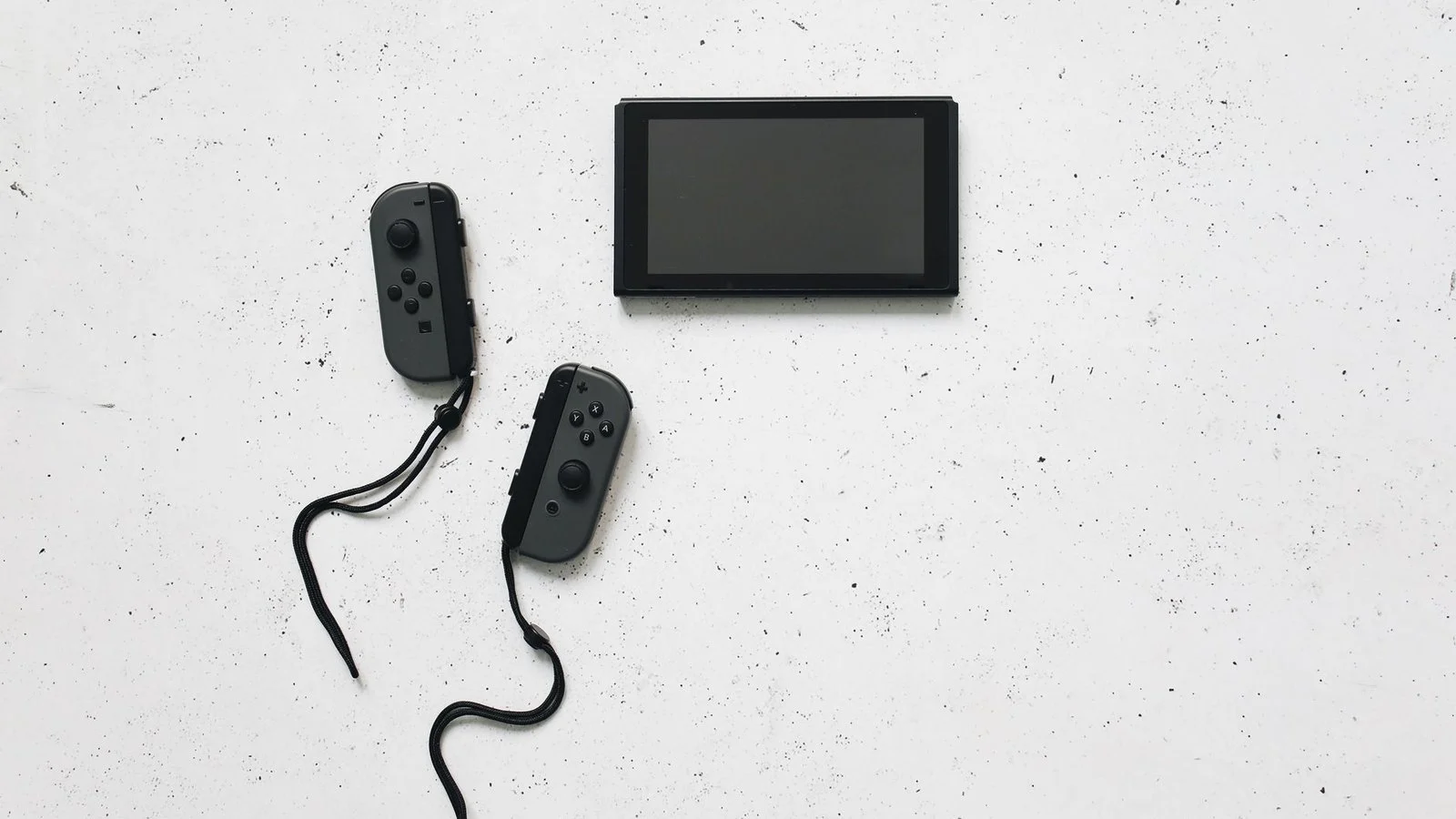
ShiftUp has confirmed that the Stellar Blade Switch 2 port will use AMD’s FSR frame generation alongside Nvidia’s DLSS upscaling to hit 60fps in both handheld and docked play, a workaround for hardware that was never built to run a PS5-era action game natively.
Stellar Blade launched as a PlayStation 5 exclusive in 2024 and reached PC last year. ShiftUp now plans a Switch 2 version before the end of 2026, and the studio’s CTO and technical director, DongKi Lee, laid out the technical approach in an interview with the publication NintendoEverything.
How the Stellar Blade Switch 2 build hits 60fps
On resolution, ShiftUp confirmed DLSS upscaling to 720p in handheld mode and to 1080p when docked, a jump the console has to cover every time a player docks or undocks it mid-session. The studio has not said what internal render resolution feeds that upscaling in either mode.
For the frame rate target, Lee described a two-step process: “So we targeted 60 frames per second in both handheld mode and docked mode. What we did was we take AMD’s FSR 3.1 for PC and used the feature called frame interpolation to achieve the target for 60 frames per second. We use DLSS for upscaling, and then took the result we got and used frame interpolation from FSR 3.1 to be able to target 60 frames per second.”
In practice, that means DLSS handles the upscale and FSR 3.1 handles the interpolation, pairing a rival vendor’s upscaler with AMD’s frame generation on a single release.
At 720p and 60Hz, the handheld panel alone has to display 55 million pixels a second, by our arithmetic, before docked mode’s higher 1080p output is factored in. That is the load DLSS upscaling is built to hit without asking the Switch 2’s GPU to render every one of those pixels natively, and it is why the studio leaned on upscaling and interpolation together rather than either technique alone.
Why frame generation raises latency concerns
Frame generation inserts synthetic frames between rendered ones, and it typically adds input lag because the engine has to hold a frame back to interpolate against it. Lee said ShiftUp tried to manage that by keeping the underlying frame rate stable: “it was important to have even latency for players. We have 30 frames per second to have it even and then use interpolation, a frame interpolation, for targeting 60.”
That is a narrower use of the technology than Black Myth Wukong’s Switch 2 version, which applied frame generation on top of an already inconsistent frame rate rather than a locked 30fps base, according to KitGuru. Locking the base rate first, then doubling it with interpolation, should make the frame pacing more predictable even if latency is still higher than a native 60fps render would produce. Whether players notice that gap will depend on how consistently ShiftUp’s engine actually holds that 30fps floor once combat and particle effects are on screen.
What to watch next
ShiftUp has not named a release date beyond “before the end of 2026,” and the studio has not disclosed the internal render resolution its DLSS pass starts from in either handheld or docked mode. Both will matter for how the Switch 2 version actually looks and feels once it is in players’ hands, and neither has been confirmed yet.