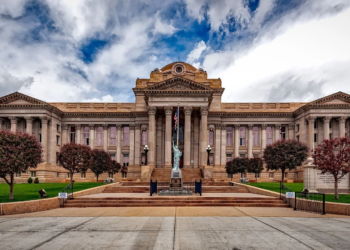

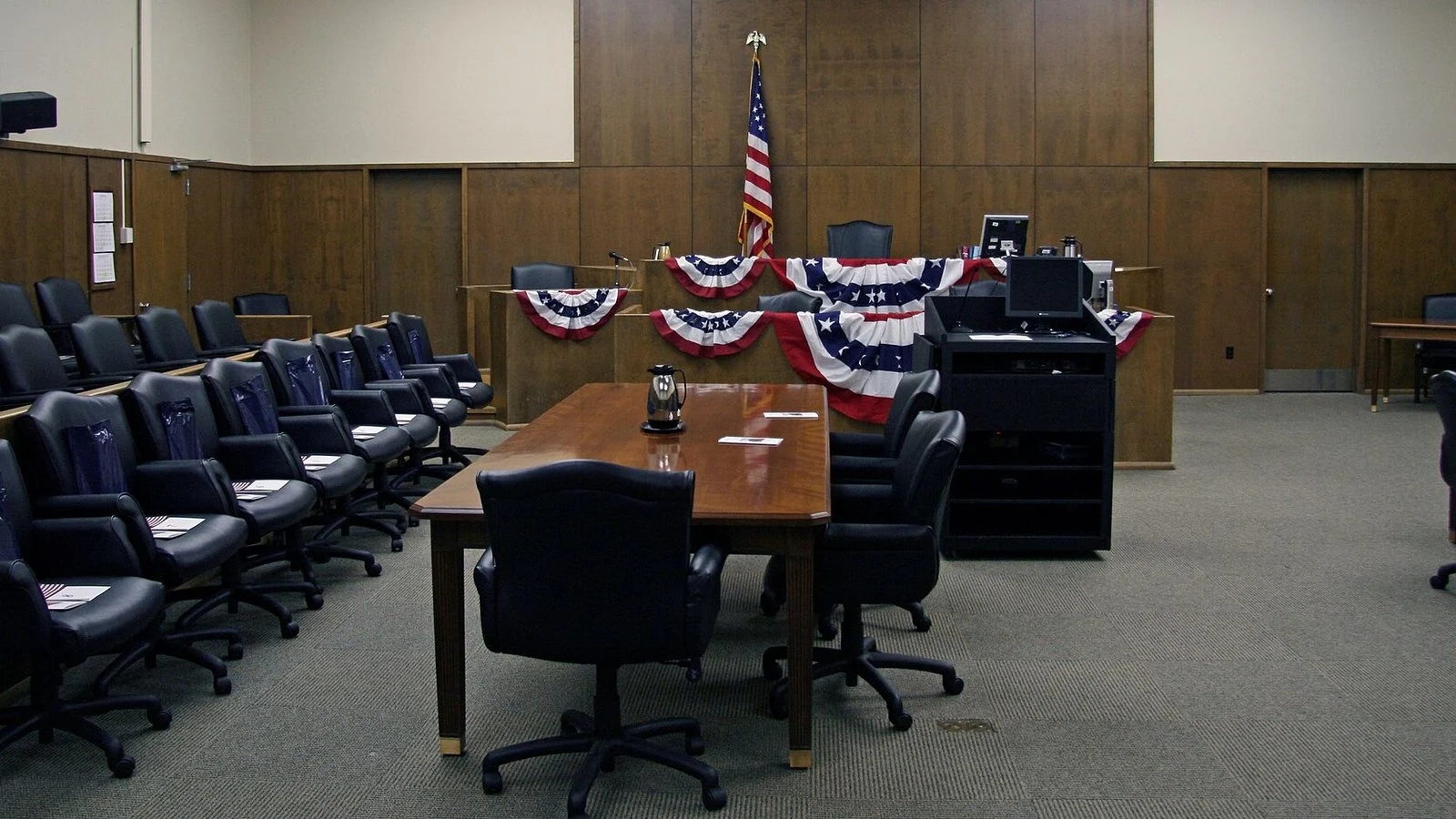
A divided panel of the US Court of Appeals for the District of Columbia Circuit has ruled that the Pentagon was within its authority when it designated Anthropic a supply chain risk, after the company declined to enable certain Claude features for military use. The 2-1 decision denies Anthropic’s petition for review and leaves the Department of Defense’s blacklisting of Anthropic’s technology in place.
The court found that the administration can restrict a contractor over withheld capabilities even without any finding of malicious intent. Anthropic had argued the designation violated multiple constitutional and statutory rights, and the panel disagreed on both counts, ruling that Defense Secretary Pete Hegseth did not exceed his authority under the Supply Chain Security Act or the Constitution. One judge on the three-member panel dissented from that conclusion.
Two competing risks the court had to weigh
The majority did not treat this as a routine compliance dispute. Judges wrote in the ruling that the case raises profoundly difficult questions about the appropriate military uses of an almost unimaginably powerful new technology. They set out the two sides in stark terms: the government raises the deeply sobering prospect of overly constrained AI models shutting down unexpectedly and causing important military operations to fail, while Anthropic raises the deeply sobering prospect of unconstrained AI models hallucinating inappropriate targets for lethal military force.
Having framed the dispute that way, the panel declined to referee the underlying safety trade-off itself. President Trump and Hegseth must determine how best to balance the competing risks, the ruling said, and the court found nothing in that balancing act that crossed a legal line. The petitions for review were denied outright, meaning the blacklisting the Pentagon imposed on Anthropic stays in force.
What the ruling doesn’t spell out
Neither the ruling nor the coverage around it names the specific Claude features Anthropic refused to enable for military customers. That gap matters for anyone trying to judge whether the designation is proportionate: the public record establishes that a refusal happened and that the Pentagon treated it as a supply chain risk, not what the refusal actually withheld.
This is not the first setback for Anthropic in this fight. The same court had already rejected Anthropic’s request for an emergency stay back in April, months before this final ruling on the merits, according to Ars Technica’s report on the case. That earlier denial let the blacklisting stand while the appeal proceeded, and this week’s 2-1 decision closes the matter out at the circuit level.
How the coverage split the story
The two outlets that broke the ruling framed it in noticeably different terms. One report’s language leaned on procedure: appeals, chain, designate, lets, treating the story as an account of what the court permitted. The other’s language leaned on the underlying dispute: blacklist, Claude, enable, features, treating it as a story about what the Pentagon is doing to Anthropic’s product. By our arithmetic, that is not just a stylistic quirk: it is the same ruling read as a process story or a product story, and the panel’s own opinion is the document that settles which reading holds up.