
Code buried in the latest macOS 26.7 beta lays out how Apple HomePad, the company’s long-rumored smart display, is meant to work: it comes in two hardware versions and its home screen is built from watch-style faces rather than a conventional app grid.
Apple hasn’t announced or confirmed HomePad, and none of this is finalized: beta code describes planned software hooks and internal product names, not a shipped specification, so hardware configurations, feature names and release timing can still change before Apple says anything official.
How Apple HomePad’s interface works
Notebookcheck reports the code describes two separate HomePad configurations, each running a square touchscreen interface with Siri built in. The detail that stands out is the watch-face system: rather than a fixed home screen, HomePad appears to let owners pick between different face layouts, swapping which complications, clocks and shortcuts sit on the display at a glance.
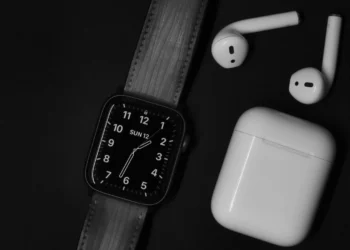
A watch-face home screen swaps the usual grid of app icons for a small set of glanceable layouts, each showing a different mix of clock, calendar, timers or camera feeds. That’s a deliberate trade: less flexibility than opening individual apps, but faster to read at a glance from across a kitchen or hallway, which is closer to how a countertop display gets used in practice. It borrows the interaction model from a product line that’s about to get its own hardware refresh: the Apple Watch Series 12, tipped for a return to a ceramic case.
For anyone with a current HomePod, the code doesn’t say whether the existing device gets any of this. The watch-face system and square touchscreen described in the strings apply specifically to HomePad, a distinct product line rather than a software update to hardware already sold, so a HomePod without a screen won’t gain a watch-face-style home screen through a later software update.
Other hardware named in the same beta
The same beta code names three more unreleased products alongside HomePad: a new HomePod mini, a home security camera, and a next-generation Siri remote built for a new Apple TV 4K. Apple hasn’t confirmed any of them, and they’re referenced in the code as separate line items rather than bundled features, meaning they read as standalone products rather than options within HomePad itself.
Reading the same code differently
9to5Mac published its account of the beta code first; by teqpost’s calculation, Notebookcheck’s report followed roughly 2.2 hours later. That gap is short enough to show this wasn’t one outlet sitting on an exclusive: once a publication starts pulling strings out of a beta build, the same code is public enough for competitors to mine within hours, which is why the two reports emphasise different details rather than duplicating each other. 9to5Mac’s account leans on the Apple Watch-style interaction model; Notebookcheck’s adds the two-version hardware split.
What to watch next
Apple hasn’t announced HomePad, a launch window, or pricing for either version described in the code, and beta strings routinely get renamed or dropped before a product ships. Worth watching: whether the two configurations turn out to be a price and size split similar to HomePod and HomePod mini, and whether the watch-face system carries over actual watchOS complications or is a HomePad-specific set built to look similar.
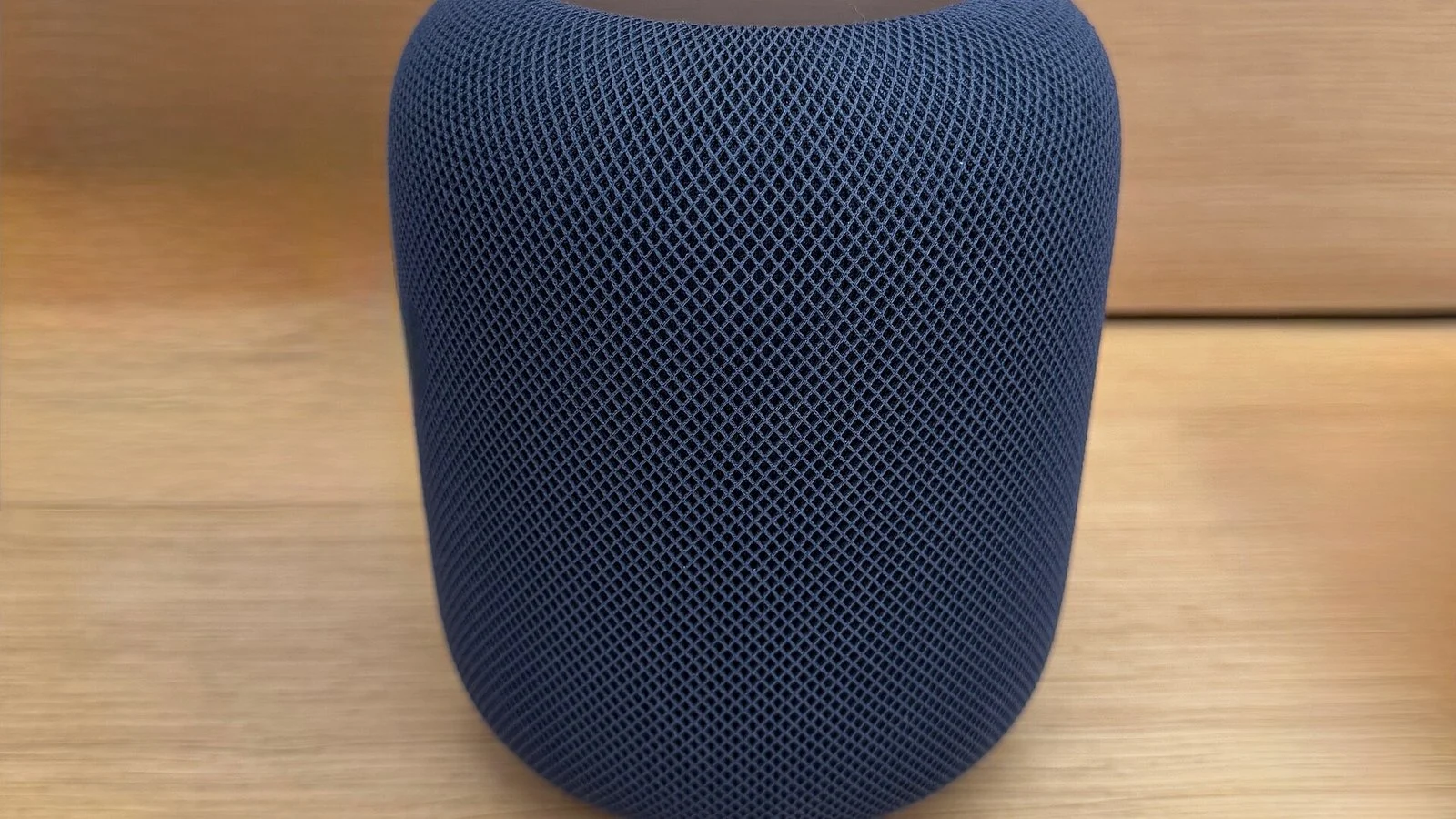
Image: Seasider53 via Wikimedia Commons, licensed under CC BY 4.0.