
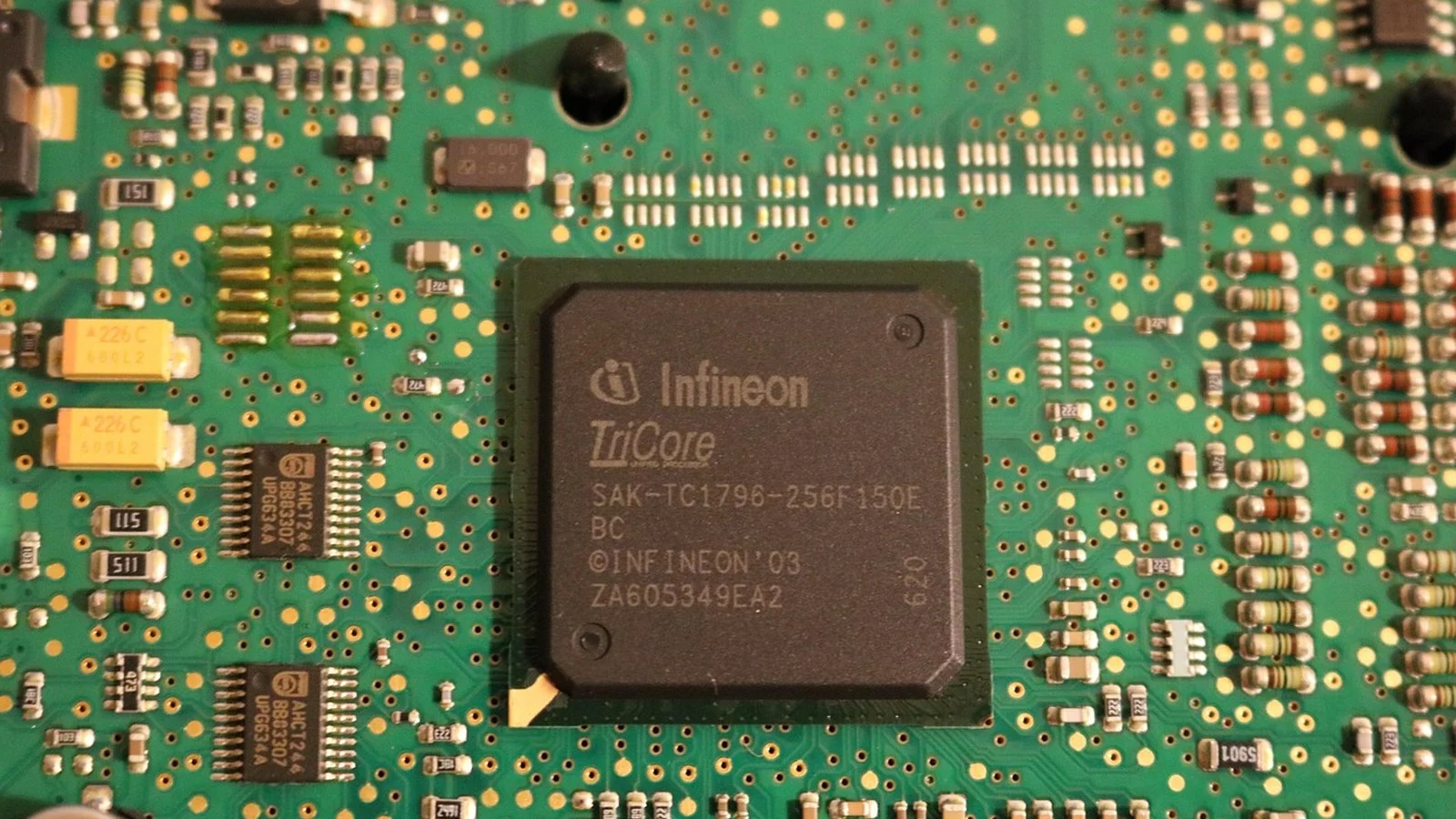
Framework has updated the Framework Laptop 12 with Intel’s Core Series 3 “Wildcat Lake” processors, and pre-orders placed now begin shipping in October. The convertible, upgrade-friendly 2-in-1 launched last year running 13th Gen “Raptor Lake” low-power chips; Wildcat Lake becomes the default silicon for new orders, while machines already built on Raptor Lake keep their existing support.
Three configurations are up for pre-order: the Core 3 304 at $549 (or £549), the Core 5 320 at $779 (£779), and the Core 7 350 at $999 (£999). Clock speeds run from 4.3 GHz on the base chip to 4.8 GHz on the Core 7 350, and the two higher tiers add a second performance core, 2P plus 4 low-power E-cores, over the base model’s single P-core and four E-cores. Those are starting prices before adding storage or memory to the DIY kit.
Alongside the CPU swap, the Framework Laptop 12 now ships with two Thunderbolt 4-capable USB-C ports in its rear expansion bays, an upgrade TechPowerUp reports opens the door to eGPU docks and other Thunderbolt peripherals, on a machine that previously topped out at plain USB4 on those bays. Framework has not added a Core Ultra X7 358H option or paired any tier with Intel’s Arc B390 integrated GPU, so the Laptop 12 stays a light-work and study machine rather than a portable graphics upgrade.
The battery itself hasn’t changed: it’s still the same 50 Wh cell the Laptop 12 launched with. Framework’s own pitch for this update leans entirely on Wildcat Lake’s efficiency gains over Raptor Lake-U to stretch runtime further on that unchanged capacity. That’s a vendor claim rather than an independently measured figure, and none of the four outlets covering the launch cite a tested runtime number, so treat it as a direction rather than a promise until a review with a stopwatch turns up.
What Wildcat Lake changes for the Framework Laptop 12
Wildcat Lake is Intel’s low-power successor to Raptor Lake-U, and all three of Framework’s new tiers use the layout Intel builds across the line: the entry Core 3 304 pairs one performance core with four efficiency cores, while the Core 5 320 and Core 7 350 both step up to two performance cores plus four efficiency cores. None of these chips target heavy productivity work. They’re built for the day-to-day study and light-office use the Laptop 12 was designed around, with an efficiency-core-heavy layout aimed at battery life rather than raw throughput.
What teqpost found in the pricing
The three tiers span $549 to $999, a $450 gap that makes the Core 7 350 82 percent more expensive than the base Core 3 304, by our arithmetic. Framework also lists the UK price as an identical number, £549 to £999. That’s worth flagging rather than taking at face value: Framework’s sterling pricing includes VAT, so a matching digit on the price tag is not a matching price once UK tax is stripped back out.
We covered the chip swap when Framework first confirmed it in our earlier coverage of the Wildcat Lake update; the specific pricing tiers and the Thunderbolt 4 detail have firmed up since.
What to watch: whether Framework eventually adds a higher-tier chip, such as Wildcat Lake’s Core Ultra X7 358H with the Arc B390 integrated GPU, for buyers who want more graphics headroom in the same chassis rather than the entry-level silicon this update ships with.